
What is the cost of a human life in modern Britain?ย 

If an employee is killed in their place of work The Health and Safety Executive will generally fine the negligent firm around ยฃ8,000.  

This is one measure of the value of human life. It is the cost of a life lost through casual disregard for safety.  

But how much does it cost for the state to actively destroy the life of a human being, leading to their illness and death? โ€จ 

I would be willing to bet the overall cost of this is significantly more than about ยฃ8,000. Currently Wakefield Council are refusing to reveal the cost of legal proceedings against an elderly lady, the concerns caused to her by the actions of the Council and their agents resulting in weakening of her immune system, illness and premature death.

Regardless the cost would be equivalent to the hourly rate of a solicitor employed by Weightmans of Liverpool and the additional cost of time for employees of Wakefield Council, at around six months of chargeable time for each.


What am I about to detail to you in this blog entry links into a previous blog entry seen at https://legalbabble.law.blog/2022/09/03/elder-abuse-social-worker-coverup-in-evidence-to-the-high-Court/ 

Because of events detailed in that previous entry I was effectively gagged from being able to discuss any of the things that happened in this matter while they were actually happening. The Courtโ€™s imposition of an order effectively restricting my ability to discuss any aspect of a malicious pursuit of a seriously ill elderly woman while the matter was still active. As a result of this gagging a significant instance of structural violence practised by the state against one of its more vulnerable citizens was allowed to continue. In silence.

The definition of structural violence can be seen here:

https://en.wikipedia.org/wiki/Structural_violence

There is of course an interest on the part of a Court, which sought to largely misdirect itself and neglect any form of protective role for a vulnerable person, in preventing the wider public becoming aware of the more significant abuses of Mrs. X. The Court effectively turned a blind eye to these abuses carried out by the legal firm Weightmans acting on behalf of Wakefield District Council, even when made aware of them in an application in proceedings.

All these forms of abuses of Mrs. X detailed in this blog entry could only be carried out in a situation in which the issues I raise cannot be discussed in the media or online. It is highly likely that the gagging order on the prior blog entry was imposed upon myself as the judge in the matter was fully aware that he intended to largely ignore his duty or responsibility under the Equal Treatment Bench Book or the duty to Mrs. X as a party in a claim who possessed what HMCTS define as โ€œprotected characteristicsโ€.

This blog entry details what happened within the case brought by Wakefield Council against Mrs. X, the effect on her health of that case which led directly to her early death and calls to account the persons responsible. It also considers the extent to which Wakefield Council Social Services failed to take into account the degree of distress and anxiety that their own actions caused towards an elderly person, and how the malice and negligence of the Council, The High Court and of the solicitors firm Weightmans ended up causing illness and premature death for an already ill elderly lady.

This is Mrs. X.

Although she had Parkinsonโ€™s she maintained a healthy lifestyle and had an active, social life. At eighty seven she lived life to the fullest despite advancing years. An application was made by her in early 2022 to obtain Continuous Healthcare Funding from the NHS. This funding enables a person who is growing progressively worse over time to have relevant care and nursing fees paid for by the NHS. In the course of an assessment in person, Social Worker Joanne Cave of Wakefield Council Social Services was invited by the NHS to attend.

Now itโ€™s important to recall that there had been numerous previous errors by Wakefield Council in the care of Mrs. X, including failure to record correct information, refusal of access to Council services, and harassment by a previous social worker, Chantelle Hawkins when informed by Mrs. X and her family that social care from the Council was not needed.

Wakefield Council are highly invested in the idea of inserting themselves as much as possible into the lives of elderly persons on the basis that they will attempt to find out the extent of the persons assets and income so they can levy against these assets the the event the elderly person needs nursing care. Categorically at no point was any social care provided by the Council: and there was no need for such.

Therefore Mrs. X. would never have agreed willingly to a Social Worker from Wakefield Council attending the Continuous Healthcare Funding appointment because in the past the Council had proven themselves to be inept, negligent and reluctant in correcting obvious errors that they made to the detriment of Mrs. X. Iโ€™ll give you one brief example of this: in order to deny Mrs. X access to any Council run services in the period late 2021 to May 2022 a report was written which ignored any medical conditions that Mrs. X had. The content of this report ran completely contrary to previous social care reports which mentioned her medical conditions clearly and in full. True enough the Council, then used the existence of this report to claim that Mrs X was not ill enough to require access to certain services provided by Wakefield Council. I have every expectation that this is a regular tactic used by local authorities to deny access to services for the elderly and the ill.

Nevertheless, Social Worker Joanne Cave attended the Continuous Healthcare Funding meeting alongside a representative from the NHS, despite not being invited into Mrs. Xโ€™s home. And for a number of weeks afterwards consistently rang Mrs. X to pester her to take Council social care services. It was clearly stated that these were not needed as sufficient care was already in place alongside care paid for privately. However the calls continued.

The aim of attempting to push social care provided by the Council is very simple. The Council will not provide social care without having conducted a financial assessment on an elderly person first. This financial assessment enables them to see the extent of the persons income, assets, and suchlike. Again, the purpose of involvement of the Council is always the same – they want to discover the extent of a persons wealth so that they can levy against that in the event the person needs nursing care, and take their assets in order to pay for that care.

Wakefield Council headquarters

It is not difficult to harass an elderly lady who is already ill and upset her to the point where she becomes more ill, as Social Worker Cave knew full well. The constant pestering from Joanne Cave induced a urinary tract infection in Mrs. X, which produced nocturnal incontinence lasting until her death some eight months later. Thus the unwarranted intervention of the social worker caused needless misery and unhappiness for Mrs X.

A complaint was made to Wakefield Council Social Care Complaints, but no response was given by the Council. They stonewalled the complaint in order to avoid investigating or admitting a breach of duty of care which had made Mrs. Xโ€™s medical conditions and quality of life worse.

Social Worker Joanne Cave was not so reticent, and immediately on learning of the UTI infection caused to Mrs. X by her actions (being told by the Coucilโ€™s Social Care Complaints office), rang Mrs. Xโ€™s GP and attempted to obtain confidential medical information from the GP without the permission of Mrs. X and in full knowledge of the fact that such incitement to reveal confidential medical data would have been inducing the GP practice to breach data protection regulations & GDPR.

Cave did this in full knowledge that that she had no right of access to any that information. These are the actions of a social worker who seeks to misconduct herself to obtain some form of protection from the results of her own professional misconduct.

You can read all about this in the blog entry I referred to above.

A copy of these call recordings were supplied to me in full by the GP practice together with the emails Social Worker Joanne Cave had sent to the practice.

Something more important to the Social Worker than caring properly for people under her charge is maintaining her professional reputation, especially in a situation where she has now committed potentially damaging professional misconduct, leading to further illness on the part of someone under her care.

Joanne Cave mustโ€™ve known that she had acted illegally in attempting to obtain medical data, as well as having breached her duty of care and professional standards in inducing a UTI in Mrs. X by her pestering.

Failing to obtain confidential medical data via the underhanded methods used meant that Joanne Cave had to go another route. Despite the content of a report written by her when the NHS funding assessment was undertaken speaking in glowing terms about the care provided for Mrs. X she decided that the easiest way to obtain this medical information was by creating a High Court claim falsely stating that Mrs. X was not being properly looked after by her family and that by creating a hue and cry over this matter she would be able to obtain the medical data, and possibly pressure Mrs. X to obtain a care package, producing income & financial data for the Council. This being the original plan of her continual pestering of Mrs. X.

Consequently proceedings were launched at the High Court in which Mrs. X was made a defendant with the aim of the case being that she would be forced to justify her own care arrangements, her mental capacity, and domestic situation & to produce proof that all of these were satisfactory. Presumably the same people who had induced in her a lasting UTI, falsified care records (legally amounting to a criminal offence in law), and we are now inducing further needless stress on Mrs. X would be the ones to determine if the existing care arrangements were โ€œsatisfactoryโ€ or not.

I repeat for the avoidance of any doubt that the report produced by Cave herself in May 2022. Spoke well of the care marrangements for Mrs. X

At no point did Wakefield Council carry out an assessment to determine if its malicious claim was causing Mrs. X undue anxiety and distress. They will of course have known from the fact that Caveโ€™s actions induced a UTI in her in May 2022 that a High Court action would have created even more stress and anxiety for Mrs. X.

On this basis it is strongly considered that the case was in part brought precisely to cause distress and anxiety to Mrs. X possibly because a complaint had been launched regarding Joanne Caveโ€™s behaviour and there existed the need for her to throw attention away from herself in relation to that by creating a hue and cry over Mrs. Xโ€™s care arrangements.

Ahead of the action being launched, Joanne Caveโ€™s immediate superior Meuhun Nessa called Mrs. X and her family to gloat about the impending claim. The purpose of such a call was simply to cause anxiety and distress ahead of the actual proceedings.

Enter now the Liverpool law firm Weightmans.

Jamin Lennard
Morris Hill

This is Jamin Lennard and his collegue Morris Hill of the firm. Both are jointly and severally responsible for what happened to Mrs. X by allowing themselves to be used by Wakefield Council to carry out a claim that they will have known had no merit, and was being pursued purely for malicious purposes.

This is a firm that particularly likes to hoover up contracts from local authorities and particularly will seek to protect such organisations from the consequences of their own misconduct, in so doing acting malignantly in the interests of their client. And so this proved to be.

In order to deflect attention away from Social Worker, Joanne Cave inducing a UTI in Mrs. X by her actions, the firm proceeded to issue a meritless claim based on wholly misleading statements, and which the firm would have known would produce no reasonable outcome for any party. The fact that up until a complaint had been made regarding Joanne Caveโ€™s behaviour that no questions had been raised regarding the quality of the care provided to Mrs. X is clear. It is also equally clear that the claim made by Wakefield Council had no merit and was brought for an improper collateral purpose.

The case was assigned to High Court judge Mr. Justice Poole, or Nigel Poole as he was previously known, of Kings Chambers Leeds.

Nigel Poole, otherwise Mr. Justice Poole

The defendantโ€™s family on her behalf made a number of applications in the case, only one of which the judge decided to hear – in April 2023. It was safe for the Court, and for Wakefield Council that this one application should be heard because by that point Mrs. X was dead with the actions of all the organisations concerned in this claim having a significant of a contribution to her death.

All of the prior applications made on behalf of Mrs. X would have – if the Court had bothered to hear them – acted to protect her from the excesses of Weightmans and thrown sharp light on the actions of the Council in bringing this claim, and the accuracy of statements made within the claim by their sole witness, Social Worker, Joanne Cave.

By contrast the claimant, Wakefield Council, made a number of applications which were immediately actioned by the judge.

The defendant this case was at no point legally represented. And instead, had to rely on her family to enable her take part in the normal administration of a Court process on her behalf. This in itself creates an injustice as there is little equality of arms between the parties.

At hearings Wakefield Council was represented by Tom Semple of Park Lane Plowden, Leeds. You may well consider that this manโ€™s mendacious character is amply expressed in his facial features.

Tom Semple of Park Lane Plowden, Leeds.

Applications to obtain legal representation for Mrs. X went unheard by the judge.

Except of course for the sole application which was heard, but only after her death. This is a deliberate strategy on the part of the Court to cause significant disadvantage for a defendant in person.

Equally an application that the validity and merit of the claimantโ€™s case should be examined in full to head off their allegations and dismiss them at an early point in the history of the claim was equally ignored. The balance of equality of arms which is normally a part of any Court case did not apply in this matter.

Rather that Mr. Justice Poole made every effort to cause significant disadvantage for the defendant and give undue advantage for the claimant. This can be seen most obviously in the fact that the claimant was completely unable to produce any evidence to support their claims to the Court and that their case ran significantly contrary to comments made in the social care report written by Joanne Cave just weeks before the claim was launched. Wakefield Council had made significant allegations regarding the quality of care of an elderly person but that these allegations were at no point tested by the Court before orders were made & decisions reached.

This represents an abdication of responsibility on the part of the judge: the integrity and accuracy of the claims made by Wakefield Council were assumed to be accurate, despite the considerable wealth of information in documents produced by Mrs. Xโ€™s family for the Court to show there were no issues with her care and that the Council had often acted maliciously or negligently towards Mrs. X.

Interestingly enough, neither Council, nor Weightmanโ€™s reverted to any other care professional apart from Social Worker Joanne Cave to provide evidence in relation to Mrs. Xโ€™s care: because if they had done, so the quality of the care provided for Mrs. X would have been evident from numerous interactions with other care professionals such as doctors, District Nurses and suchlike.

The Council principally sought two things from the case.

Firstly, they sought access to Mrs. X in her home alone and against her wishes. This frightened her, given the degree of malfeasance and misconduct practised by the Council towards Mrs. X for around 18 months prior. They wished to be able to enter her home and interview her regarding care related issues when she had clearly stated that she did not wish or require Council social care.

They also – outrageously – wanted access to her medical records.

Having failed to obtain access to medical records by devious methods described above with Mrs. Xโ€™s GP, social worker Joanne Cave was clearly mindful of trying again to do this. Her interest in obtaining these medical records were related to Cave inducing a UTI in Mrs. X by constant telephone pestering of her; in actual fact, the aim of such pestering was to obtain financial data.

Mrs. X objected to both the aims of the case against her and especially the attempt by the Council, no persons of whom are medically trained or able to act to intervene in her care, to obtain medical records. Mrs. X objected to any person unconcerned with her medical care having access to her medical records. Such records are confidential for a reason.

In an October 2022, hearing, carried out remotely via Microsoft Teams, Mrs. X demonstrated clear mental capacity and stated clearly what I have laid out above. Mrs. X clearly stated that she was happy with her care arrangements and she did not wish interference from the Council or anyone. She particularly objected to the idea that the claimant, Wakefield Council should obtain copies of her medical records.

Mr. Justice Poole generally deals with Family Court cases, often those in which he passes orders leading to the deaths of very ill children. Therefore he likely had no qualms whatsoever to pass an order, allowing an instructed expert, Professor Alistair Burns, of Manchester University to be allowed access to the home of Mrs. X against her wishes.

Prof. Alistair Burns

However, for the second time, the Council failed to obtain copies of Mrs. Xโ€™s medical data, when it was agreed that this should only be seen by the instructed expert except for in circumstances, where these medical records were quoted directly in any report written by the instructed expert..

From the point of October 2022 onwards, the new solicitor from Weightmans, Jamin Lennard in charge of the claim would email Mrs. X virtually every day. In fact, it’s fair to say that he harassed her and that this was likely done for the purpose of causing her anxiety and distress.

These were often pointless emails that Mrs. X could do nothing about. However, from a point of view of the firm, these emails represented a nice little earner because each one would increase the amount of chargeable time that the firm could bill their client, Wakefield Council for.

Even at the point where the firm was informed that such emails were making Mrs. X ill they simply continued the bombardment. Mrs. X was unable to make the first date for meeting with the instructed expert because the frequency and content of the emails from Wakefield Councilโ€™s instructed solicitor were making her ill.

The instructed expert, Prof. Alistair Burns, was also informed that this matter and the conduct of the case by Weightmans was making Mrs. X ill. He was asked directly if he really wanted to align himself with a firm instructing him professionally who were acting in such a way as to cause anxiety, distress, and ill health for a defendant in the claim.

Relevant applications were made to the Court to try to protect Mrs. X from the conduct of the case by Weightmans inducing medical deterioration, including one last-ditch application in December 2022. Needless to say these applications were not actioned by the Court.

The judge and HMCTS must themselves bear some considerable responsibility for Mrs. Xโ€˜s medical decline from November 2022 onwards and her subsequent death in February 2023 because even when made aware in the December 2022 application that the claim was making her ill, through worry causing deterioration of her immune system, they decided to do nothing about it.

It is clear that the Court was well aware from the offset that Mrs. X was a vulnerable defendant in a claim and that previous contact with the Council harassing her for a financial assessment which would reveal to them extent of her assets resulted in medical deterioration in the form of a UTI.

A application requesting the appointment of a solicitor to have defended Mrs. X would have protected her from the excesses of Weightmans. The application to do just this was ignored by the Court which then gave the firm free reign to act oppressively and harass Mrs. X. It is highly likely that this oppressive conduct and harassment of Mrs. X was the purpose of the Councilโ€™s actions in bringing the case alongside their interest in furtively, obtaining a copy of her medical records.

The daily bombardment of emails from Jamin Lennard began to cause deterioration in the health of Mrs. X. The worries regarding her being forced to allow someone into her home against her wishes, and who also had free access to her confidential medical records distressed her day and night.

As stated this caused her immune system to be compromised over time. The fact that she demonstrated clear capacity in the October 2022 hearing and stated that she was happy with her care arrangements, home situation and was being looked after satisfactorily were ignored completely by the Court at that hearing. This also caused her considerable distress. But the Court and instructing solicitors failed to obtain any independent third-party evidence to show that Mrs. X was being well cared for under her current arrangements. The effect of all of this worry on her already poor health, began to cause deteriorations both in her physical health, continence and mental capacity.

The daily bombardment of emails from the firm Weightmans in pursuit of claim they must have had reasonable knowledge was brought maliciously continued from November 2002 and into December 2002. These frequency of the emails from the firm map exactly on to further progressive deterioration caused to Mrs. Xโ€™s health and it is clear that they caused her immune system to be compromised through concerns and anxiety induced by the firm in pursuit of a case which had no merit.

Mrs. Xโ€™s own GP attended at her home in November 2022, and identified that the proceedings were causing her significant distress and anxiety. This written report was made available to the instructed expert, Professor Alistair Burns, and also to the Court. Neither took any action as a result of it.

It is clear that the malicious allegations made by Wakefield Council in order to protect their employee, social worker Joanne Cave, were taking a significant toll on Mrs. Xโ€™s health and day to day mental well-being and physical health.

Therefore, I will directly name, Morris Hill and Jasmine Leonard of Weightmans Solicitors Liverpool, Joanne Cave of Wakefield Council, and Mr Justice Poole as each bearing moral and legal responsibility for acting in a way that caused a significant decline in Mrs. Xโ€™s health leading directly to her death.

That in each of these instances, the actions of these parties run contrary to clear regulations regarding reasonable behaviour from professionals in such circumstances. That the injustice was allowed to continue contrary to all evidence (produced by the family of Mrs. X for the Court) that the claim brought by Wakefield Council had no substance, and indeed the injustice became worse the longer the case progressed, and the more ill Mrs. X became as a result of it.

The duty of care present in professionals was ignored in favour of pursuit of a claim which the claimant and their representatives knew consisted of a tissue of lies, but which was pursued in order to protect the Council and the Social Worker via deliberate distraction from their own negligent behaviour towards Mrs. X in May 2022.

In the case of both solicitors for the legal firm, Weightmans, the opportunity to increase their own profits in the claim by almost daily emails to Mrs. X was too good an opportunity to resist.

Mr Justice Poole ignored clear mental capacity and clear expression of the wishes of Mrs. X at the hearing in October 2022, failed to action numerous applications which wouldโ€™ve protected her within the claim from the abuse she was subjected to and instead allowed the firm instructed by the Council to continually harass and cause anxiety to Mrs. X, resulting in her compromised immune system, medical decline and subsequent death. This ran wholly contrary to his responsibilities under The Equal Treatment Bench Book, and the Courtโ€™s own requirement to regard Mrs. X as having protected characteristics.

The death of Mrs. X was not a pleasant one. Increasing confusion, disorientation and pneumonic lung infection where all the results of the stress and anxiety caused to Mrs. X by the case and the failure of the Court to observe her status in law as a person with protected characteristics.

Anxiety over the case caused her immune system to be progressively, compromised over November and December 2023, leading to her picking up opportunistic infections. Mrs. X was admitted in late December 2022 to a local hospital where she remained until discharge to a hospice in January 2023 with her death around a week later.

Even at the point of her admission to the hospice Wakefield Council could not leave Mrs. X alone and kept checking on her location by calls to the hospice and hospital.

Prior to this fruitless and meritless claim being started by the Council. Mrs. Xโ€˜s health was generally very good, and there was no reason for her to take a sudden medical deterioration excepting for the fact that the anxiety and concerns caused to her by this malicious claim and the aggressive pursuit of it resulted in a significant medical deterioration. This is evidenced in a report from her GP, contemporary to this decline, and data from other NHS services, contemporary with November and December 2022. It is also seen in the way aggressive daily emails from Weightmans map onto the period of her decline.

Indeed a report from the Council themselves around a month before the launch of the claim confirmed that Mrs. Xโ€˜s care was more than adequate. These proceedings are then directly linked with her terminal decline caused by compromised immune system as a result of anxiety and worry induced in this claim. The actions of the parties named above, professional negligence and failure to consider evidence clearly put before them in pursuit of their own interests within this matter resulted in a needless death. None of the organisations or persons involved in this matter who had a duty of care in law acted to protect Mrs X.

The aggressive means by which the Council were allowed to launch a claim which had no merit, without assessment of if they had a solid basis of claim. Their instruction of a firm which pursued this matter aggressively and for the purpose of harassing the claimant on behalf of their client. Then the failure of the Court, and in particular Mr Justice Poole, to observe their duty of care towards a person with protected characteristics resulted in misery, illness, and premature death.

In any civilised society, this amounts to an obscene abuse of power by all those concerned. This blog entry holds each of them to account for their actions which amount to abuse of position and the legal system for the purpose of controlling and manipulating a vulnerable person.


Turning a Blind Eye. How West Yorkshire Combined Authority Helps Local Police to Evade Accountability.

In this blog post you will learn how local authority organisations tasked with holding the police to account will fail to do so. Because even when there is significant evidence of misconduct on the part of the force, including attempts to suppress a reasonable investigation, the supervisory organisation will ignore this and prefer instead their own tick box review of police misconduct which fails to address or examine the policeโ€™s deliberate mishandling of a complaint.

The issues raised concern West Yorkshire Police and West Yorkshire Combined Authority.

One of the issues we continue to return to in this blog is the inability of supervisory organisations to be able to hold other organisations lower down the food chain to account.

This occurs for a number of reasons. In this matter it is both historically the case that locally based organisations tasked with holding West Yorkshire Police to account are incapable of doing so, but also when such organisations commit an error in their own review of an investigation they ignore the error in any subsequent correspondence. At all stages the emphasis is maintenance of public confidence in the police complaint system, which results in a failure to properly examine and investigate complaints raised with proper rigour.

This matter concerns West Yorkshire Combined Authority and their inability to be able to hold West Yorkshire Police to account when the policeโ€™s Professional Standards Department Standards Dept. fail to properly investigate a complain. Indeed even when they appear to have deliberately scuppered a complaint investigation WYCA do nothing. The authorityโ€™s website states that one of their functions is โ€œholding the Chief Constable to accountโ€ categorically this is not true. When an instance of abuse of power or process occurs WYCA look the other way.

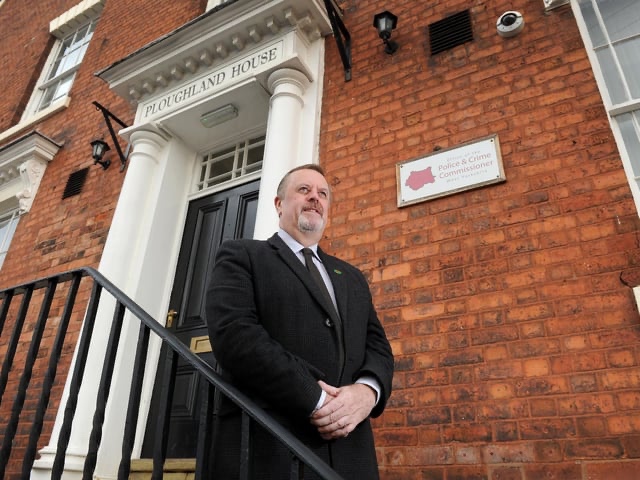
Alison Lowe OBE is the West Yorkshire Deputy Mayor for Policing and Crime (DMPC). She is pictured below. The supervision of the local force is her responsibility and ultimately that of West Yorkshire Mayor Tracy Brabin.

Alison Lowe is currently the person next in line responsible for supervision of police after the local mayor.

But first letโ€™s travel back into the mists of time. 

Prior to West Yorkshire Combined Authority taking over supervision of police complaints in relation to West Yorkshire Police there existed a Police and Crime Commissioner. This was Mark Burns-Williamson.

During his time as police and crime Commissioner for West Yorkshire he proved not only significantly gaffe prone but also incapable of holding West Yorkshire Police to account.

The reason for this inability to hold the force to account is widely known. Burns-Williamson was involved in a messy love triangle in which he wrote an unfortunately worded letter to his rival. This matter was suppressed by West Yorkshire Police DI Simon Bottomley and since then until the end of his tenure in post in 2021 Burns-Williamson would avoid using PCC powers to hold the force to account. He was literally caught by the nuts by West Yorkshire Police who because of their suppression of the complaint about the letter had a significant hold over him. This prevented the Police and Crime Commissioner from fully exercising their reasonable duties in holding Police to account.

The Burns-Williamson inaction figure is available in bearded and clean-shaven variants. Optional dodgy contents of his office safe play set also available!

Burns-Williams time as commissioner was characterised by a series of notorious exposures of misconduct in public office on the part of the organisation he was tasked with supervising. West Yorkshire Police have an international reputation for incompetence and dishonesty practiced even on those in their own ranks and the period of a Police and Crime Commissioner supposedly supervising them was characterised by a new intensity of incompetence, corruption and smearing from all levels of the force.  

Now let us move forward to the present. 

The College of Policing publishes a Code of Ethics, which is routinely ignored and in fact the subject of of humour amongst many police forces. It also provides a series of guides of behaviour and conduct that it deems reasonable for officers to be able to show in the course of their duties. This covers a number of different aspects of policing and is in effect a Code of Conduct broadly similar to The Highway Code in that it provides a structure of behaviour that would give the public confidence they are being policed correctly. The more an officer adheres to what the College of Policing guidelines are in a situation the less likely it is that they will go off on their own tangent and open themselves and their Chief Constable to a charge of misconducting themselves.  

One of these guidelines covers how officers should conduct themselves when undertaking visits to the home of a member of the public. The code is clear in how officers should behave when on home visits.

This isnโ€™t photoshopped.
A lot of modern Plods really are this out of condition!

In an October 2020 visit to a member of the publicโ€™s home two officers of West Yorkshire Police attended. One of them breached the guidance in a clear and obvious way. So clearly in fact that the breach was obvious to all, including the colleague they attended with. This was subject to a complaint to West Yorkshire Police made shortly afterwards.

Complaints to West Yorkshire Police are examined and considered โ€“ although more often than not dismissed on spurious grounds โ€“ by their Professional Standards Department. The logic of allowing police to investigate themselves is perhaps better left to others to explain.

In this matter they did three things to dishonestly skew the complaint in their favour. The three facts below represent a salutary warning to anyone who makes a complaint regarding the police that they will seek to loose evidence not in their favour and misdirect the investigation.

One

A complaint of the breach of the Code was made shortly after the visit. The officers in attendance wore body worn video, which could have proved the substance of the complaint to be factually accurate. But the body worn video was allowed to be destroyed before being viewed by Professional Standards Department at West Yorkshire Police. No attempt to retain the material for viewing was made. Thus the first piece of clear evidence that misconduct occurred on the home visit was lost. Likely deliberately.

Two

Significantly also a witness present at the home address during the visit was not questioned or approached in any way by police investigating the complaint. Again as with the loss of the body worn video footage this likely occurred to skew the process of the complaint investigation in favour of West Yorkshire Police exonerating the officer whose conduct had been highlighted. In the same way police failed to interview the other officer not subject to the complaint of a breach of the Code. Again this is deliberate action to skew the complaint investigation in the policeโ€™s favour.

Three

Then in the most devious manipulation of the complaint process West Yorkshire Police misdirected the complaint by investigating the officer who had not committed the breach of The College of Policing guidance rather than the one who clearly did. This together with the destruction of body worn video footage – which would have proven the complaint was factually sound – and the refusal to approach a witness to the facts are suggestive of an organisation which has attempted to suppress an investigation which would have found against one of their officers.

This is not however a new thing for West Yorkshire Police. Their Professional Standards Department standards department has dozens of different ways of minimising, trivialising, diffusing and reducing a complaint to the point where, however reasonable and valid it may be, the matter will not be investigated or assessed with rigour due to it. The point of this is of course the maintaining of professional reputation.

What price police reputation and integrity? Well at the moment about the same as this old badge goes for on eBay.

The 2021 independent report into the murder of journalist Daniel Morgan and the failure to solve the crime by the Metropolitan Police defined institutional corruption as:

“Concealing or denying failings, for the sake of the organisation’s public image, is dishonesty on the part of the organisation for reputational benefit and constitutes a form of institutional corruption.”

In circumstances large or small the police are prepared to manipulate cynically the complaints system in order to get officers off the hook. And in such situations the need for reasonably effective and careful supervision of police Professional Standards Departments is clear.

However staff at West Yorkshire combined authority specifically the Deputy Mayorโ€™s office, who are tasked with supervision of police complaints where the complainant seeks review, seem to be suffering an unfortunate hangover from the days of Mark Burns-Williamson.

Police failed to find in favour of the complainant. The mishandling of the complaint worked rather well for them. So the matter was referred to the Deputy Mayorโ€™s office at West Yorkshire Combined Authority. This is the next stage in the procedure of the complaints process. 

The matter was initially assessed and investigated by Karen Grey of West Yorkshire Combined Authority. 

And important fact to remember in relation to any complaint that you may refer to such as a Police and Crime Commissioner, a local authority, or The Independent Office of Police Complaints is that the matter that was originally under investigation by the policeโ€™s Professional Standards Department will not be investigated again.  

This means that police can misdirect any complaint made about their behaviour at the initial stages of that complaint and that the later appeals stages will not look for or attempt to correct those errors. The complaints system is being tactically gamed therefore to maintain the policeโ€™s professional reputation. Local authority organisations and IOPC are assisting in this.

The body tasked with review of the Police findings in respect of a complaint will conduct a tick box exercise which is essentially to review if the police have fulfilled their own tick-box exercise within their earlier complaint investigation. There will be no investigation into egregious breaches of procedure or abuse of process.

In keeping with this the investigation of the wrong person was missed by Karen Gray. The destruction of body worn video footage barely warranted a mention and the failure to interview a witness or the other officer present likewise. In short the means by which West Yorkshire Police had skewed the investigation, by dishonest means and to evade finding against one of their own officers for a breach of the College of Policing Code, were ignored by the review process.

This does not in anyway represent effective oversight of the policeโ€™s own handling of complaints. The same personnel who were present when the organisation was the Police and Crime Commissioner up until 2021 have moved to the new Combined Authority / Mayorโ€™s office. Given that the reasons PCC Mark Burns-Williamson was incapable of holding police to account are well-known Iโ€™m forced to ponder what the WYCAโ€™s excuse for the same lamentable lack of diligence is?

The suboptimal nature of the Combined Authorityโ€™s review of the police handling of a complaint, the critical facts of West Yorkshire Policeโ€™s own purposeful mishandling of the complaint in order to draw conclusions that police had handled the complaint in line with their obligations

A further review by Julie Reid, Head of Policing and Crime at West Yorkshire Combined Authority, failed to acknowledge that Karen Grey had made any errors in the handling of the complaint. So in effect then while the original complaint was subject to malfeasance from police, the complaint to WYCA about Grayโ€™s mishandling of the original matter was also covered-up.

The ultimate price of this is paid by the public of course. While police are able to cover up misdeeds with impunity and the review organisation also fails to admit it has failed to spot key errors in its own investigation the standard of policing will never improve

Systemic Failures at ICO Exposed

The purpose of ICO – the Information Commissionerโ€™s Office – is to stated on their website to be toโ€ฆ

โ€ฆuphold information rights in the public interest, promoting openness by public bodies and data privacy for individuals.

However when ICO themselves are subject to a data access request they are prepared to break the law regarding such.

Given that ICO is charged with upholding the law in relation to data access requests this evasiveness ensures that they have lost the moral authority to be able to enforce data access legislation when things go wrong.

More damming though is that a recent investigation revealed ICOโ€™s means of investigating disclosure breaches is so weak and inept as to render it futile to raise issues before them.

Put simply hereโ€™s what happenedโ€ฆ

I made a data access request to Wakefield Council. The Council only provided four pages to begin with, then produced more but significantly failed to include the first 53 pages of data from the request, so ICO were informed after the Council had been given ample chance to correct matters.


The original matter put to ICO as a formal complaint was:


The final response is seen attached. Not only has the data requested not been provided but also the Council has directed me to the wrong agency to seek the answers / disclosure wanted. This is clear in the attached PDF. In fact the majority of the questions I am directed to seek answers to elsewhere comprise of information from Wakefield Council that only they have access to. The response of the Council is therefore misdirection as well as a breach of the relevant Act in failing to provide the data requested on 12.4.21.

Therefore I refer this matter to you for assessment on if the Council has fulfilled its obligations in respect of provision of data. The attached Word file contains all correspondence from April 2021 onwards.

Wakefield Council is the preferred workplace of people too inept to survive in a commercial environment.

ICO responded after some months and their Case Officer Rachel Webster stated:

In my view I have fully considered the data protection issues you have raised and in light of the Councilโ€™s response I do not believe there are any outstanding data protection issues that we would want to pursue further with the Council at this time. As I have explained in correspondence to you our role is not to necessarily resolve every aspect of an individualโ€™s complaint to their satisfaction.

My reply to this was sent shortly after, on 30.3.22 and stated:  

There are 54 pages outstanding that have not been produced from a data access request. This is something I have been clear about across this process and the disclosures remain outstanding.  

What proof have the Council shown to ICO that the relevant data has been produced? 

Further that ICO tried to shuffle off responsibility for adjudicating on the data access failure by the Council. Outrageously Webster suggested:

I understanding you are currently taking legal action against the Council and it may be that these issues are resolved as part of that process.

Now hereโ€™s where things get funky.

In my email of 30.3.22 I requested:

It is for ICO to resolve the issues put before it: the Council has failed to produce data as the result of many requests to do so and was in breach of the law in repeated failures to disclose. ICOโ€™s responsibility is to chase such matters and ensure compliance outside of any other process.

And of course I stated:

What proof have the Council shown to ICO that the relevant data has been produced?  

And ICOโ€™s response to this on 7.4.22 was:

We take information provided by organisations in response to data protection complaints in good faith. As a decision by our office is only a view or an opinion rather than a final determination we do not have to request evidence/proof from organisations concerned. In this case the Council believe they have fully complied with your request however it is clear from your correspondence that you disagree that this is the case and the information is outstanding. We have raised your concerns with the Council and we’re satisfied with the Council’s response and that at this time there is no further action for us to take in relation to your case.

Thatโ€™s right. You read that correctly.

ICO does not seek out or require proof from organisations that they have complied with their responsibilities. Indeed in a situation such as this where a member of the public asserts that they have not then ICO will accept the comments of the organisation that they have over and above any evidence that the public has provided.


ICO then attempted to fob me off with some data in response to a request I made. The data was not that which I requested.

I in fact requested all communication between Wakefield Council and ICO. My response to ICO was sent 9.4.22 and stated:

Further that the data supplied does not support comments made in your emails to me about information supplied by the Council to ICO.

ICO claim that the Councilโ€™s attempt at a get-out-of-gaol-free card in this matter was to state that they had a particular defence in law as to why the data had not been provided. The data produced by ICO between them and the Council did not contain this claim from the local authority. So where did it come from? A further data access request was made to ICO for proof that the Council had stated to ICO what ICO claimed the Council had stated.

Simple enough you would have thought. Especially in the light of ICOโ€™s failure to produce the relevant data in copies of correspondence with the Council.

ICO failed to produce this data. I wrote back to state:

Given ICO’s stated position as regulator for data access / information rights issues this is simply not good enough. At a minimum I would expect fulfilment of the data access request made and chased 7.4.22. That such disclosure from ICO should show that ICO has interacted with the Council on the matter of IC-134978-B9K1 and that the Council has responded appropriately back to the matters raised in this complaint.  

ICO shot back with:

Thank you for your email below. I note your comments and can provide the following response. I can reassure you I have considered all the information provided by you and the Council in relation to this case.

This amounts to two failures to provide data requested. In the second instance ICO purposefully fail to address the renewed request for specific data from their office.

Given that the data I provided showed that the Council had clearly withheld disclosure for no legitimate reason it seems odd that ICO should prefer the Councilโ€™s response, especially in a situation in which they appear to have provided ICO with no supporting data.

Itโ€™s a relief to anyone who brings a data access complaint to ICO to learn that, as stated in theur response to me of 30.3.22:

โ€ฆour role is not to necessarily resolve every aspect of an individualโ€™s complaint to their satisfaction. Rather we consider data protection complaints that are brought to us partly in order to identify issues with an organisations information rights policies/procedures.

Which in practical terms means that ICO will ignore issues in complaints brought by the public which it finds irksome to deal with. This may mean that if enquiries with a misconducting organisation are going to be long and drawn-out that ICO will ignore complex aspects of the complaint made. Historically even in matters where there is a significant breach of the law by an organisation ICO also fails to act punitively and instead builds up a file of data on the organisationโ€™s failings.

A case review was requested and completed 22.4.22 by Lead Case Officer Alison Fletcher.

Again this failed to address the issue of the data requested from Wakefield Council to ICO which supported the comments made by ICO, as had all the prior responses from Rachel Webster. A further response from Alison Fletcher also failed to address the issue of the data not being supplied

Does ICO have a specific reason for withholding the data requested? Likely this is a matter of professional reputation. That a full disclosure of the data I requested would show that ICO failed to investigate this matter to a reasonable standard and perhaps that the Council did not provide them with the data ICO claimed they did. This has to be the case since I provided sufficient evidence to show Wakefield Council had breached its responsibility in law to provide all the data I originally requested from them. The sign of a weak investigation is in the reply provided by ICO which stated:

We take information provided by organisations in response to data protection complaints in good faith. As a decision by our office is only a view or an opinion rather than a final determination we do not have to request evidence/proof from organisations concerned

As I mentioned the practical effect of this is that if an organisation claims not to have breached the law then ICO simply accept what the organisation have said without evidence and contrary to any evidence provided by the public, however strong.

This is indicative of ICO being an organisation that is unfit for purpose. You might of course argue that they are functioning perfectly: that one part of the State has acted to deflect and cover the illegality of another.

However it is ICOโ€™s careful avoidance of producing data requested showing what the Council stated to them which suggests most strongly that they are unable to properly police the wild west of data legislation.

Just to recap in relation to the seriousness of the malfeasance from ICO. When data was produced showing correspondence from the Council to ICO nothing supporting the comments claimed to have been made by the Council had been sent to ICO, who then went on to be unable to produce the info from the Council supporting what they say the Council had said.

When the body charged with taking others to task for failure to observe information rights law believes itself to be exempt from such laws โ€“ and likely making up excuses for organisationโ€™s failures – can there be any doubt that ICO cannot remain much longer in its present form?

Service standards from The Information Commissionerโ€™s Office are frankly not very good!

The case of Julian Assange & Press Freedom

I write in relation to the Julian Assange extradition attempt by the US government. This has received a ruling today which has stated that Assange cannot be extradited to America on the basis of mental health concerns.

It is widely considered that the case against Assange has been cooked up as revenge against Wikileaks publication of atrocities by the US military in the Middle East. That such was designed to frighten any journalist in the future from exposure of similar state backed horrors.

As this post will detail The Ministry of Justice in the UK is quite prepared to commit abuse of process to also persecute those who publish material which exposes its wrongdoing and incompetence.

Assange in transit in a prison van from Belmarsh high security prison where he has been held.

The ruling in the case is that extradition cannot take place as America cannot guarantee the safety of Assange in a US prison in the light of his apparent suicidal ideations. These thoughts probably stem from his continued persecution for many years over Wikileaks publication of video footage of atrocities committed by the US military against civilians.

The points made regarding the safety of the US prison system of course apply equally – if not more so – to British prisons. Belmarsh was the choice of prison for Assange on the basis of the additional security given to inmates there.

The other thing that struck me about the judgment is that the extradition to America was refused not on grounds which assert and re-enforce the freedom of the press or the ability of such as Wikileaks to publish material which challenges authority but on the grounds of safety for the defendant.

The decision was made by a District Judge. Anyone familiar enough with the British legal system will likely be aware that the judge has chosen an anaemic third way in order to dismiss the case for extradition. No wonder the decision is likely to be appealed! Rather than outright confrontation of the prosecution case which was designed both as an act of revenge against Assange and a threat to any future journalists exposing official misconduct the judge chose a way which avoids these prosecution arguments being confronted and carefully debunked.

If a decision was made to extradite on the basis of the case put on behalf of the prosecution then the risk to press freedom in future would have been grave. As it is the case has been a warning shot to anyone thinking of publishing contentious material regarding state backed misconduct.

The judge has accepted the proposition advanced by Assangeโ€™s legal team that an American prison is not sufficiently safe for someone with suicidal thoughts.

Were he still alive Jeffrey Epstein would also likely agree that an American prison is an insufficiently safe environment for people who have – like Assange – embarrassed or risk embarrassing those who hold the levers of power in America.


We donโ€™t have to look to a high-profile case such as this to see official misuse of power in an act of revenge against those who publish material which would embarrass authority, as our own Minisry of Justice in Britain are quite prepared to carry out misconduct in public office in this way.

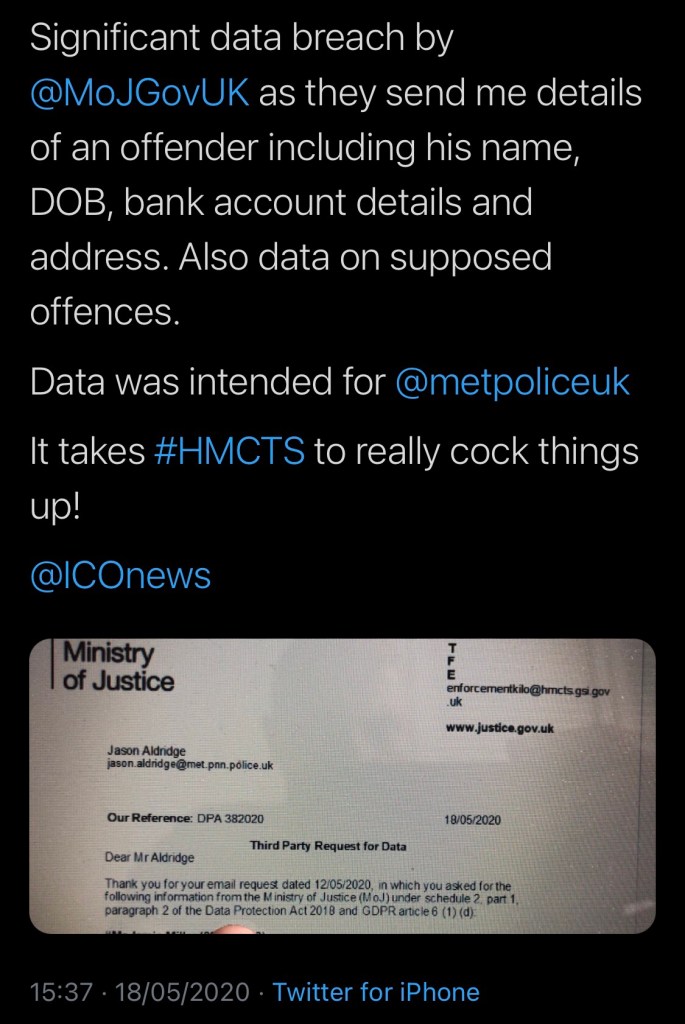
In May this year I was sent material in error by MoJ. This was a letter intended for the Metropolitan Police in relation to Proceeds of Crime Act proceedings against an individual in the Kent area.

The data sent to me in error constituted a considerable Data Protection Act breach and covered the name, address, date of birth and bank details of the individual and other compromising data. Such data in the wrong hands could have resulted in considerable fraud committed against the data subject by the misuse of his personal details. I informed both The Information Commissionerโ€™s Office and the data subject about this.

I also posted – with no small amount of schadenfreude – the tweet seen below. No aspect of the content of this tweet breached revealed data on the data subject and thus was not actionable. It simply and quite rightly embarrassed MoJ as an organisation which is incompetent in the handling of personal data.

Despite the fact that MoJ were wholly in the wrong over this entire matter they decided to go on the offensive and instructed West Yorkshire Police to arrest me in relation to offences under The Data Protection Act.

Police, having seen no evidence of any offence committed in civil or criminal law, nevertheless took the word of MoJ as gospel and in so doing broke the law themselves not least by committing a wrongful arrest.

I was arrested and held in custody at the police station. It was relegated much later in an email chain from the Head of Security at MoJ that the purpose of this was โ€œto give him a shockโ€. Iโ€™d embarrassed MoJ in public with the tweet and reported the data breech to ICO. Consequently MoJ wished to revenge itself and were prepared to commit misconduct in public office to do so.

Of course the other thing the emails between MoJ and West Yorkshire Police also reveal is the sudden loss of interest in the matter when I was arrested – the arrest being the short, sharp shock MoJ was aiming for. An internal investigation by police also admits there were no grounds for arrest and no offence had been committed.

The point of my explaining all this shabby behaviour and breach of duty of care from two shifty little organisations is clear. Just as Assange has been intimidated and subject to abuse of process because of what he published so have I.

Such actions from organisations such as MoJ and West Yorkshire Police serve to wholly undermine public confidence in the organisations themselves and damage their own reputation. Further it exposes the organisations as being comprised of the inept, the incompetent and the petty-minded.

If MoJ or West Yorkshire Police would like a right of reply to the content of this article then I am happy to publish any point of view they may give. I may equally produce further evidence in response which confirms the facts already stated above!

A Christmas Card from Humberside Police!

Iโ€™ve written on here many times before about how Humberside Police are particularly useless, even in a hotly contested field of local forces.

However even I fell off my chair at the sheer incompetence of the subject access response provided by their Information Compliance department this week.

A subject access request provided by the force amounts to a nonfeasance as the response:

1. Fails to provide the data requested.

2. Is issued outside the legal time limit for a response to be provided.

3. Repeats back the same information put in the original request.

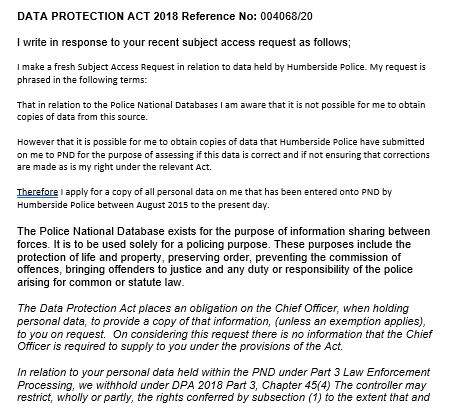
Hereโ€™s the letter in full. I have redacted the header.

The key sentences are in the fourth and fifth paragraphs seen above. These are reproduced from the original request. Data cannot be obtained from the Police National Computer – however data that has been entered into the PNC by a local force can be obtained from the same regional police force. Hence the request to Humberside Police.

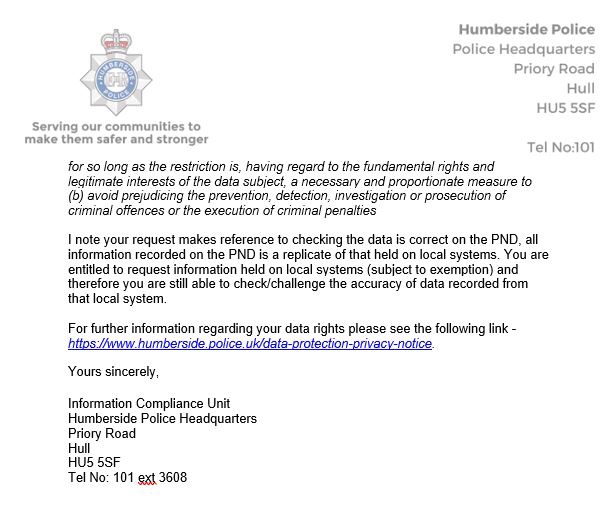
The substantive reply is seen below:

Here we focus on the second paragraph. It essentially repeats the data I put to police in the first instance.

Consequently the force has failed to react correctly to the subject access request in every conceivable aspect.

This suggests that the intention is to continue frustrate any further request made for the data using the rights conferred in italics in the letter to do so as the response to any further requests that might be made.

The Information Commissionerโ€™s Office has been informed.


The Information Commissionerโ€™s Office: Mark Your Own Homework

The rights of the public in the UK to access data held by state-run organisations are enforced by The Information Commissionerโ€™s Office. I say enforced but effectively unless thereโ€™s a very significant series of large-scale errors or deliberate mischief ICO chooses to look the other way.

Theyโ€™ll more often choose to look the other way in the event that the miscreant organisation is a public body: a large-scale data breach by the NHS in 2017 / 2018 attracted only a note from ICO to NHS Digital gently chiding their error.

Some of the means of looking the other way include ICO issuing a โ€œfindingโ€ that the organisation youโ€™ve requested data from has failed to comply with the law, or a โ€œrecommendationโ€ that that misconducting organisation complies with the law. Neither of these two results has sufficient force to compel a turnaround from the data controller if theyโ€™re determined to dig in their heels. None of these weak regulatory methods described above actually produce the data youโ€™ve requested: if the organisation is sufficiently obstreperous youโ€™ll need to enforce your right of access to the data via civil legal action.

Yes, folks. Youโ€™ve guessed it! Another supposed โ€œwatchdogโ€ that turns out to be toothless, doddering and tame.

At the beginning of the pandemic hitting the UK in March 2020 ICO issued guidance to organisations over handling data access requests which effectively boiled down to โ€œdonโ€™t misuse the fact that thereโ€™s a national emergency to get around your statutory obligationsโ€.

Eight months on and the initial finger-wagging approach has been replaced with a new edict from ICO: mark your own homework.

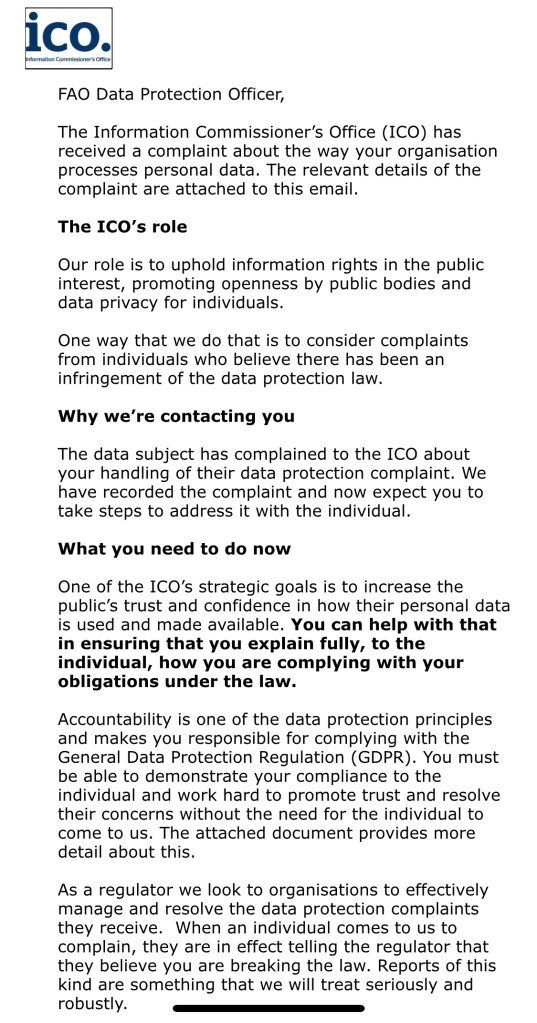
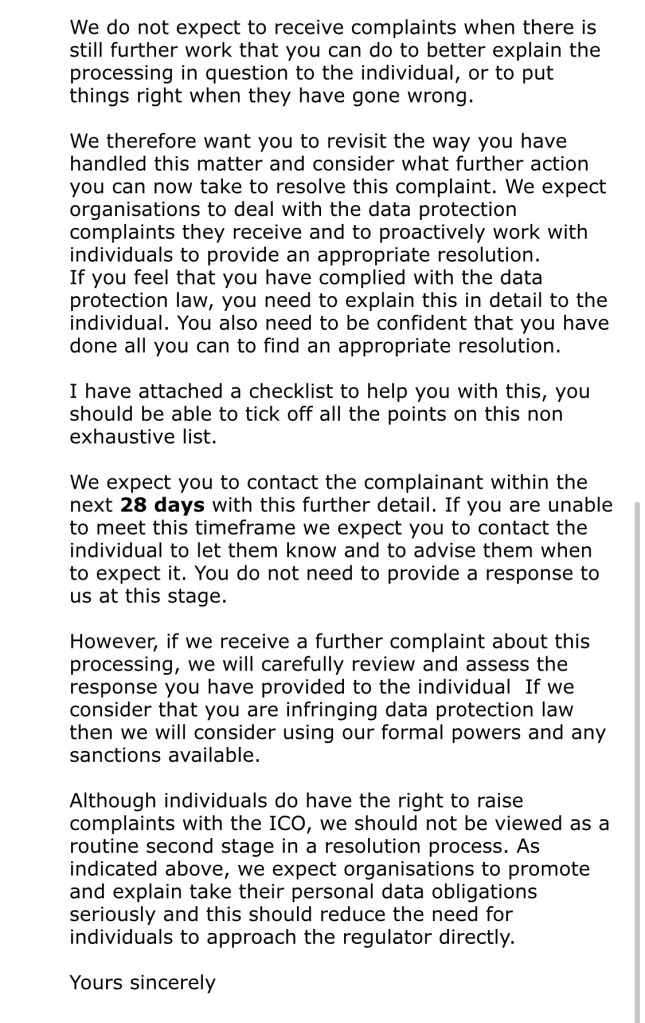
Organisations that infringe the law on data access issues are now routinely in receipt of this standard form letter the first page of which appears below:

Easier than enforcing the law: ICO states the bleeding obvious to data controllers breaching the law.

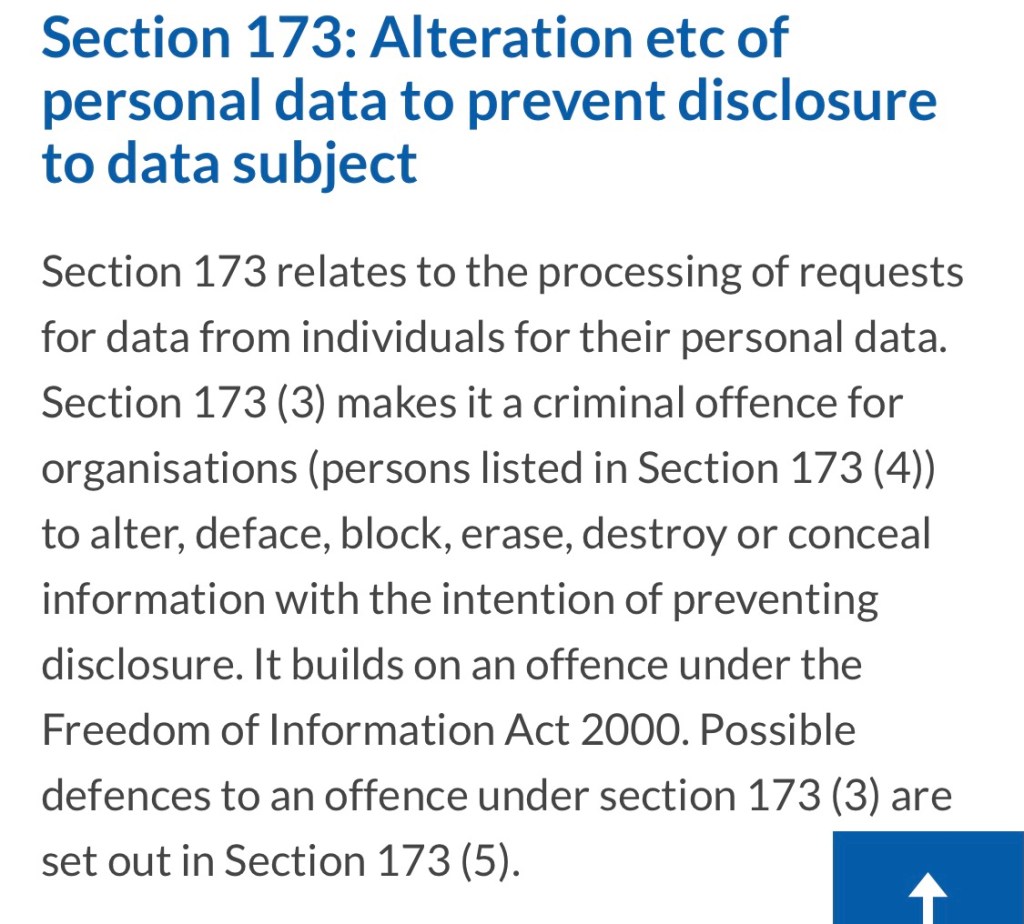
The โ€œseriously and robustlyโ€ in the above extract doesnโ€™t apply to any actions ICO have taken in my experience of the organisation. Even in the face of large scale data breaches for which ample evidence of a data subjectโ€™s Section 173 rights being infringed exists ICO still takes the lethargic approaches mentioned above.

Briefly yours and my Section 173 rights are this:

Extract from CPS website.

The letter sent out by ICO continues:

…all of which explains the obligations on an organisation that they are already / should already be aware of.

One wonders what the point is of informing an organisation thatโ€™s already purposefully screwed up such as a subject access request what their obligations are. If the body is determined to withhold data for the purpose of – for example – preventing revelation of their own misconduct then a weakly worded letter from ICO will not make them correct their ways.

Misconducting organisations must be quaking in their boots regarding the powers and sanctions bit in the second to last paragraph, knowing ICO is notoriously weak on enforcement.

Thus the Merry-Go-Round of the UKโ€™s weak regulatory and enforcement structure rumbles on.

Itโ€™s Miller Time! How Police Cover Up Allegations of Racism.

Iโ€™ve written on here before regarding Humberside Police. There’s something about that force that’s rather disturbing: a more blatent flouting of the College of Policing Code of Ethics, a lower standard of behaviour overall from the force towards the public and an open willingness to treat reports of crime and complaints with equal contempt.

Part of this is down to the geographical isolation of East Yorkshire and especially Hull from the rest of the UK. Humberside Police seem to have a genuine and recurring belief that they can do as they wish well away from prying eyes. The largely inept local media such as The Hull Daily Mail pay a part in assisting this of course. Rather than investigateve journalism that would reveal scandals in local policing they opt for click-bait thrill-a-minute headlines that drive traffic towards advertising. The PCC Keith Hunter is perenially inept at holding the force to account and the overall feeling is that he’s happy to sit out his tenure until pension day arrives. 

Some of this flouting of the conventions of good policing can be traced back to the period in which Humberside Police were a Chief Constable-less, rudderless and struggling force on the verge of being put into special measures. Audits routinely returned appalling reports by any metrics devised. Nor has the situation and service standards improved greatly in the four years since minor improvements began.

Like most police forces they have a unique ability to both say one thing and do another, as well as shoot themselves in the foot. While professing to detest and crack down on racism within their ranks the actual tale is quite different.

Which brings us to our story for today.

There’s a page on the Humberside Police website which details upcoming misconduct hearings for the force.

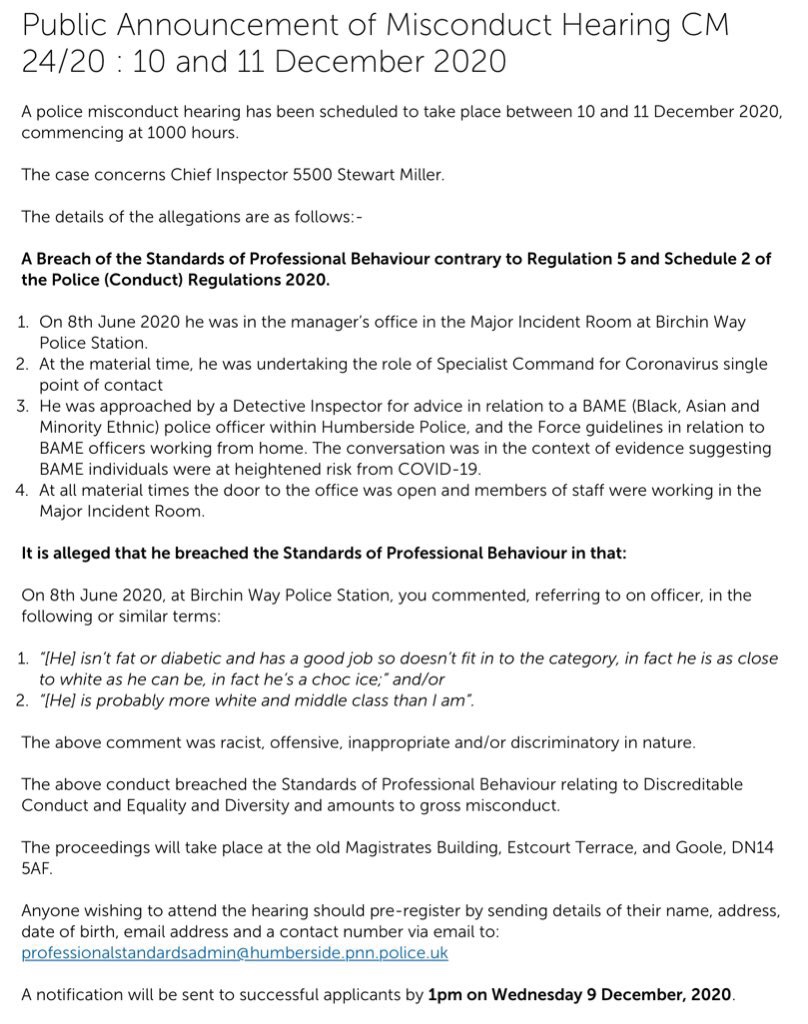
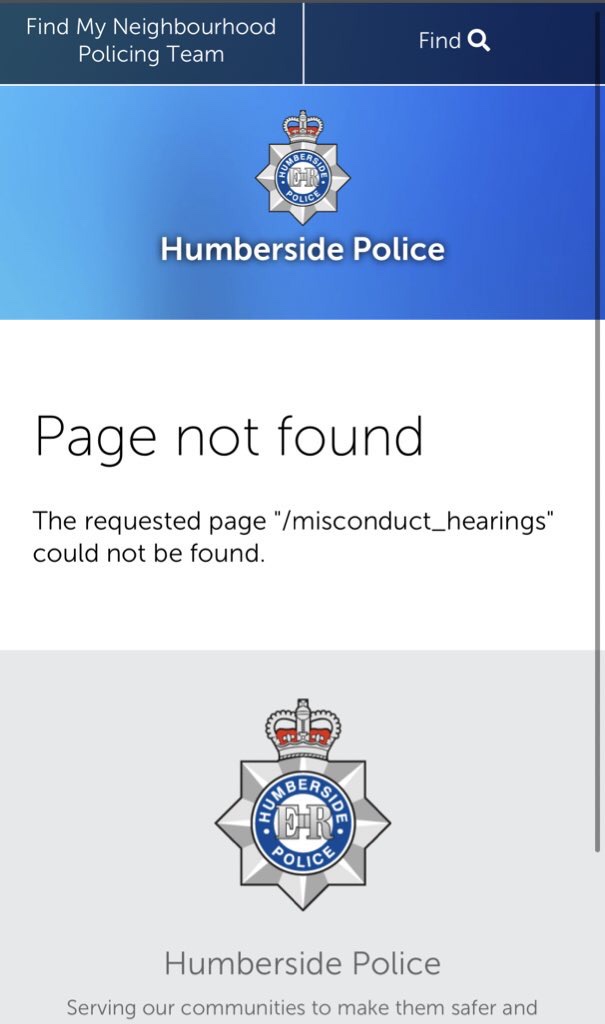
Within the last few days this was changed – without any member of the public being informed or the change advertised. The content on the โ€œnewโ€ URL as it appears currently (9.12.20) can be seen below.

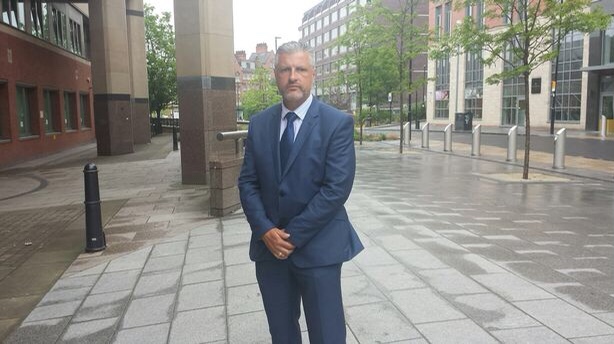
The reason for this sudden change is that a senior officer has been chaged with the use of racist language. This is Stewart Miller, a high-profile DCI with Humberside Police who correspondingly have a lot to loose if the revelation of his conduct is proven true and receives appropriate levels of national publicity.

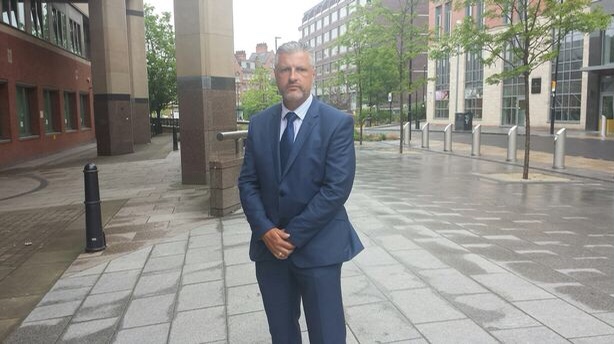
Humberside Policeโ€™s Stewart Miller pictured outside of Sheffield Crown Court.

The details of the alleged offence can be seen in the “new” misconduct page the image of which I have provided above. If true this behaviour constitutes an exceptionally severe breach of ethical and moral codes of conduct by this officer. Racist language, discrimiation and suchlike are uttely unacceptable in 2020 and repellant to the majority of civilised people. 

However aware that the revelation of this allegation may cause a stir in the national media Humberside Police have changed the URL of the misconduct hearings page just before posting details of this forthcoming hearing.

The โ€œoldโ€ page that the majority of people would see or have an existing shortcut to as of 8.12.20

This is a deliberate and purposeful act to attempt to stop the public becoming aware of these allegations against a senior officer. To see the โ€œnewโ€

The data about the hearing I have shown above can only be located from a careful search on the force’s website. This in itself is cause for concern: Humberside Police can of course claim that they have published the details of the misconduct hearing: but they have done so in a way tactically designed to hide the allegations and the public’s knowledge of the hearing. This is of course deplorable but entirely in keeping with that force’s general obsession with bad publicity. Of course now this matter is out in the open the changing of the URL looks even worse.

The effective hiding of the data regarding this misconduct hearing is also designed to protect this officer and his professional reputation. One wonders how this matter will play out in the event of a guilty finding by the force’s PSD and to what extent they will be prepared to publicise any disciplinary measures against this officer.

The alleged comments were made in summer 2020 just a few days after Humberside Police posted on their site positive content from The Association of Police Chiefs regarding the (as it turns out) aspirational aim for the UK police to be anti-racist following the death of George Floyd in the USA during contact with police.

Nor is Humberside Police the only force to be mired in a racism scandal this week as a post from investigative journalist Neil Wilby shows: https://neilwilby.com/2020/12/04/say-one-thing-do-another/

This sort of behaviour amounts to that which will not surprise seasoned watchers of Humberside Police.


9.12.20 update:

Having been caught out over this matter and it having received some publicity via Twitter on 8.12.20 Humberside Police have corrected the changed URL as of this morning, 9.12.20 so that the misconduct hearing for Mr. Miller is now advertised on the main page that most journalists and public would have a link to.

โ€œCuffingโ€ or โ€œShonkingโ€ at South Yorkshire Police.

In modern police parlance โ€œcuffing offโ€ a job means to look for a way to avoid dealing with a complaint about a crime made by a member of the public. Shonking means the same thing. South Yorkshire Police is very much focused on internal award ceremonies for its staff and members of the public calling to report criminal offences gets in the way of this. Most inconvenient.

So hereโ€™s the story. I had an offence to report on the basis of information that came my way. Having researched the offence and charging guidelines for the same as well as collated sufficient documents to show who was responsible and how I completed the South Yorkshire Police online form. This is their preferred way of contacting you. And so I waited for contact back. And waited. And waited.

Eventually a series of phone calls were made on one afternoon to South Yorkshire Police via 101. The poor handling of the initial report from the webform data and subsequent poor handling of all subsequent contacts are described below.

Basically the webform was ignored. Phone calls to check on the progress of the report of a crime were also consistently mishandled.


From the 1980โ€™s to the present day SYP is mired in scandal.

The basic issues are as follows:

1. A complaint of a crime was made. This was done via the online form for such. That the response from the online form took longer than the 72 hours the website states for any action to be taken in respect of the referral of a crime.

2. That the online form had still not been processed some 7 days later.

This amount to the first effort to โ€œshonkโ€ the job.

3. That from comments made by Professional Standards Dept. at SYP in a later email to me it would appear that this online referral has been โ€œlostโ€.

4. Following the lack of response to the webform a series of phone calls were made by me on the Tuesday and Wednesday to SYP to establish what was happening in relation to the online referral.

5. That these calls were either cut off when transferred to the appropriate department or else rang out for an exceptionally long period. The time it took to get through to someone was the time of my journey that day from West Yorkshire to Bridlington on the East Yorkshire coast. Some one hour and fifteen minutes.

6. That on eventually speaking to an officer he stated that he had no copy of the online form in front of him but proceeded to dismiss the referral of a crime being committed on the basis that this incident was not a crime and therefore not something that police would deal with.

This is incorrect. I quoted CPS guidance and sentencing guidelines that clearly show the activity reported was a criminal offence.

Most police officers have a very poor working knowledge of the law and are often the worst people to decide if an offence falls into their jurisdiction or not. Or if an offence has been committed in law. Without sight of evidence etc. the officer was additionally on very shaky ground.

7. That the same officer rang me back several minutes later. He had performed a search on my name after our initial conversation and my refuting his comments that the matter complained of was not an offence in law.

8. That his call back to me amounted to harassment and intimidation. His manner during this second call was offensive, uncivil and harassing. Having tried to โ€œcuff / shonk the job offโ€ only to be confronted by a member of the public who knew the law put his fragile and delicate nose out of joint.

Most police officers have exceptionally fragile egos and cannot bear not to have the last word on something. As sites such as the exceptional. ://crimebodge.com show (especially I would recommend their YouTube channel) this can often lead to violence and assault from the officer if a member of the public stands their ground.

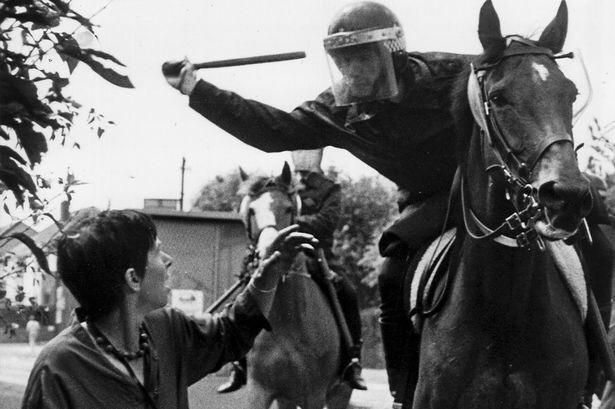
9. That the officer concerned did this solely for the purpose of causing harassment, vexation and distress. On the second call he refused to give his name or service number when asked which is usually indicative of an officer misconducting himself. South Yorkshire Police have plenty of form for this. Ask the miners who were at The Battle of Orgreave: SYP removed their epaulets displaying service numbers so they couldnโ€™t be subject of individual complaints.

South Yorkshire Police are internationally famous for violence and criminal negligence.

That overall the standard of conduct in relation to this matter was sufficient to cause loss of professional reputation, such as it is, for the force. Overall the behaviour described above gave the impression of South Yorkshire Police as being inept, incompetent and evasive.

Later that day is I rang again. This time to make a formal complaint. The College of Policing Code of Ethics has a series of guidelines which had each been breached in the policeโ€™s handling of this matter. Not least of these are those related to courtesy and respect. https://www.college.police.uk/What-we-do/Ethics/Documents/Code_of_Ethics.pdf

I was told I would be called back in a few days. However again there was no response.

This matter relates to the following issues in the College of Policing Code of Ethics:

1. Authority, respect and courtesy.

2. Duties and responsibilities.

3. Conduct.

I emailed Professional Standards Department at South Yorkshire Police a few weeks later. The response was initially in terms of my complaint call of a few weeks earlier and stated:

Unfortunately, we are unsure as to who the officer was who spoke with you…

This suggests that the admin systems at South Yorkshire Police are not robust enough or else that theyโ€™ve already tried to evade examination of the complaint in the same way as they avoided examination of the original report of a crime. The comment is also vague: do they mean the misconducting officer I spoke to at around around lunchtime or the one spoken to to enter the complaint at 18:30 on the same day?

But it gets worse:

In relation to the online complaint form this does not a appear to have been received by us.

So an additional copy was attached to the response. Neither the original web form reporting a criminal offence nor the complaint form sent by email were received by the force. How many others have been similarly missed by them?

By this point some three weeks had elapsed since this complaint form was sent in to Professional Standards Department and their sobriquet was looking further and further misapplied. The South Yorkshire Police webform auto-generates a copy of the complaint for the public so it is unlikely that a copy was not sent to PSD. The comments they made about not receiving a copy are likely bunkum.

They stated:

If you would like to reply to this email with your initial complaint, we will pass it for assessment and ask our assessors to look into it asap.

So this created a further issue to the complaint: that failure to record the initial complaint call made around 18.30hrs in the evening to SYP via 101 amounts to a further breach of duty. A copy of this call will have been recorded on the Airwave system, which records all incoming and outgoing calls from police stations.

The failure to properly action the issues raised by phone in the evening call amounts to an effort to evade dealing with the complaint from an early stage. The โ€œlossโ€ of the follow up complaint form to PSD is a further effort in this direction.

Matters have now been before Professional Standards Department at South Yorkshire Police for two months without visible progress.

The whole fiasco makes SYP look doubly incompetent in their behaviour in failing to action the original webform, then โ€œcuffing offโ€ the job on the phone.

Then they fail to record and action the complaint made from 18:30hrs on the same day and further claim a follow up communication on the complaint was โ€œlostโ€.

Heaven help people who actually live in South Yorkshire when it comes to reporting crime or making a complaint to SYP. Because the forceโ€™s systems are clearly set up to avoid having to deal with either.


West Yorkshire Police: COVID-19 Super-Spreaders?

Presently the East Yorkshire city of Kingston Upon Hull has the highest COVID-19 rates of infection in the UK. The virus appears to be running rampant in the city causing a significant numbers of deaths.

The Guardian has quoted local Hull resident Gavin Storey in an article published this week. The original article can be found at:

https://www.theguardian.com/world/2020/nov/18/gypsyville-hull-most-deprived-and-covid-infected-suburbs-in-england

It states that Storey thinks it suits the ruling class have let the virus run riot through deprived communities like his. He says:

โ€œIt seems like they are trying to get rid of us. That way when itโ€™s over they wonโ€™t have to spend so much money around here. Let the kids go to school, spread it to their parents and then let them all die. Most of the people in the country who are on benefits will be dead.โ€

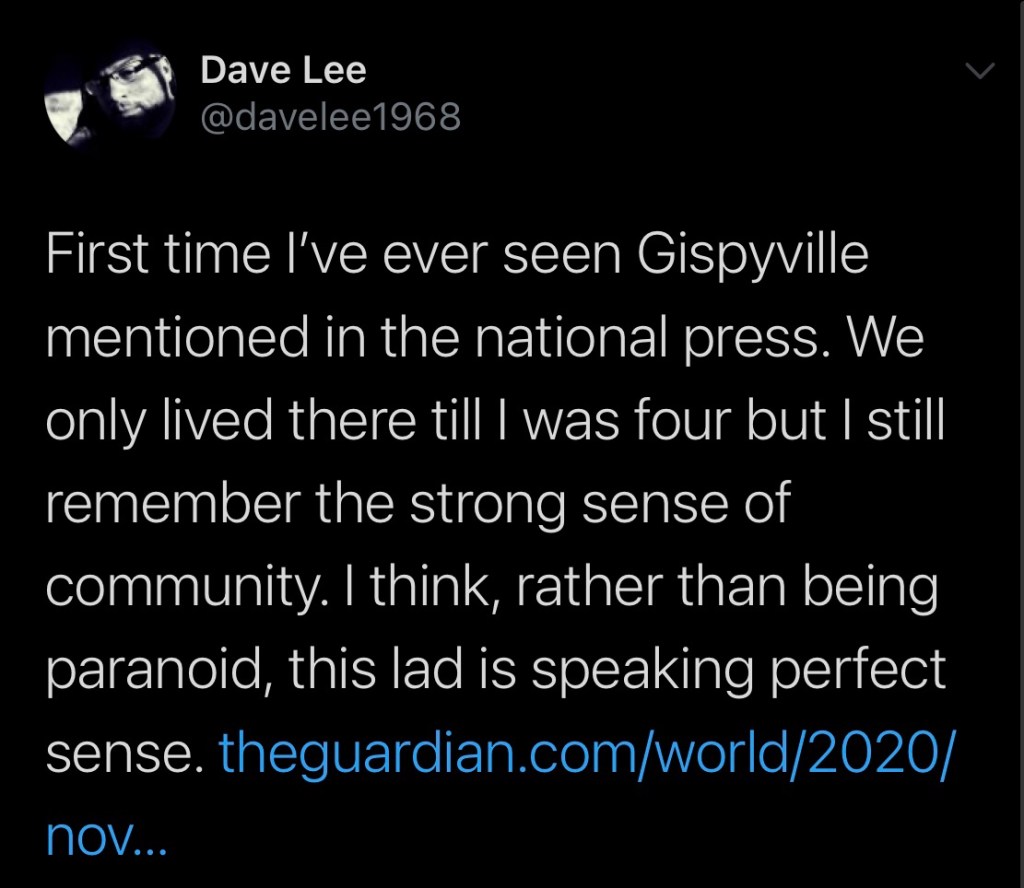
Twitter users react to Mr. Storeyโ€™s comments in the article.

This all got me thinking about the initial wave of the pandemic to hit the UK in spring 2020.

According to information passed over to me in a conversation in spring 2020 from one of Leedsโ€™ top criminal defence solicitors West Yorkshire Police were arresting and pulling suspects in for questioning with an urgency and speed which was quite at odds with the nature of a lethal pandemic and the requirement for people to self isolate.

Those arrested were not given masks and at that point before the end of the first lockdown self-sourced PPE was not commonly owned like today. The overall idea at that point was to protect by keeping your distance from others which makes the arrests carried out seem even more bizarre. Command Teams must have been aware of the risk of police stations as focal points for the spread of the virus. Frontline officers were of course given PPE but of dubious effectiveness which had been sold to the force, desperate to be seen to protect officers, as a โ€œjob lotโ€.

This is also unusual behaviour for a force which remains in financial dire straights considering the potential costs of increasing the pace in ongoing investigations.

Indeed I was told that at that time even people who had been released under investigation for a long period and who had no notification of progress on potential charges were being re-arrested and brought in for interview.

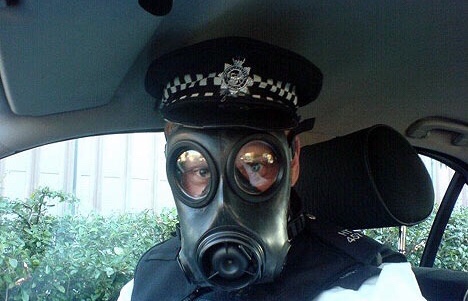
UK police tend to be toxic at the best of times.

In the same way as Mr. Storey thinks schools are being used to spread COVID-19 in deprived communities the sudden urge of West Yorkshire Police to pull in suspects for interview in the initial wave of a lethal pandemic seems… unsettling.


Were these actions part of a deliberate policy to assist the virus to spread in deprived communities?

Is this too outlandish an idea? Then consider also that in spring 2020 the elderly and frail were discharged from hospitals into care homes without adequate screening to ensure they were not infecting others.

The initial Government policy on the virus was to let it run through the population. This was the planning in the early stages of the UKโ€™s response until SAGE, the Governmentโ€™s scientific advisory group, suggested this strategy would lead to potential UK deaths of up to 250,000. This initial discredited strategy meant excess deaths through the initial lockdown coming too late. It is known that former Government advisor Dominic Cummings is a eugenicist who employed another advisor for a short period in February 2020 before that personโ€™s past writings in eugenics were made public leading to their dismissal.

In every one of multiple other respects the UKโ€™s response to the pandemic was lethargically slow and inept. This situation continues to this day.

The idea then that there has been purpose in the UKโ€™s handling of COVID-19 has some merit. That the initial plan to allow the virus to rip through the population is still in play but not stated openly as a matter of State policy.

It is likely then that people with either criminal records or suspected of committing a criminal offence have been considered in the same light as the fail and elderly: a potential burden to society and something best gotten rid of. That the virus provides (to the State) a convenient ability to do just this.

I know of one clear instance of West Yorkshire Police officers attending at a suspectโ€™s home without masks or PPE in May despite being aware of a vulnerable person being present at the home. Breaking subject access request laws the Right of Access Department at West Yorkshire Police have failed to release body worn video footage of this incident showing officers attending without PPE.

The theory that West Yorkshire Police were actively pulling in suspects in an attempt to spread Coronavirus around is just a theory.

But itโ€™s a theory that does seem to fit into the overall approach of the authorities towards the virus from the inept Test and Trace system to Eat Out to Help Out. All of these have assisted the virus to move through the poorer sections of the population to the point where weโ€™ve ow reached the second point of national lockdown within one year.


In South Korea there have so far been less than 600 deaths from COVID-19. Britain has (at a low estimate) 60,000 to date.

Anatomy of Child Protection Failures in Doncaster.

In Doncaster in early January 2020 a child died. His name was Keigan Oโ€™Brien.

Doncaster overall has an appalling reputation as a place in which children can grow up safely and free from fear of harm. Several incidents in recent years have put the city’s child protection measures into the national spotlight. At one point the relevant responsibilities would have rested with the local authority.

Doncaster Council offices, Waterdale

However Doncaster Children’s Services Trust (DCST) is an offshoot organisation set up by Doncaster Council. This follows a series of disastrous child protection failures from Doncaster Council (itself a noticeably underperforming local authority) and the establishment of DCST was clearly to place some element of distance between the Council and child protection services in the city. A useful tactic for the senior organisation avoiding blame and bad publicity. But the service provided by DCST is still the same appallingly poor standard as when matters were under the Council’s jurisdiction.

Tellingly the most recent OFSTED reports that DSCT show on their own site end in 2018.

The head of DCST is Jim Foy, the improbably titled LADO or Local Authority Designated Officer. The title is of course a hangover from the days when the service was an in-house Council run operation. 

On the occasions this correspondent has encountered him Jim Foy seems a man hopelessly disengaged with the job he has to do and the overall impression is of a man who is the cause of chaos in his employment which others run then around correcting. This is bad enough in any post but in one with the responsibilities of LADO the consequences of failure are catastrophic to service users, their families and the local community.

And so it proved when Jim Foy – in the course of his duties – recorded data on a person who had engaged in a new relationship with a clerical support worker in a Doncaster area school. Not only did he record the data wrongly but he also recorded a matter which was not an offence in British criminal law. He failed to spot either of these errors. He then used this incorrect data to confront the clerical support worker and used it to try to force her out of her employment.
When later faced with clear evidence that he had recorded the data incorrectly Jim Foy refused to amend or correct the error. Instead only after matters were investigated by the UK’s data regulator, The Information Commissioner’s Office, which found against DCST was the data reluctantly corrected.

The DPA 1998 states at 10(1) that a data controller is required to cease processing of personal data on ground that process of that data likely to cause damage / distress and is unwarranted.

Principal 4 also states that data held on an individual should be both accurate and kept up to date.

The error caused by DCST is twofold then: the recording of incorrect data in the first instance and the failure to correct it in the second. It is assumed that Jim Foy is sufficiently aware of these regulations and how they impact on his responsibilities although the persistent failure to correct the error when notified suggests otherwise.

In a civil case at Doncaster Civil Justice Centre North this week the defence of DCST to the claim of breach of the relevant legislation was not accepted by the judge who saw through the (admittedly very weak) set of arguments defence barrister presented.


The wider issue in this matter is that if DCST is recording data on people wrongly then how can they hope to build a genuine picture of the potential threats to children in their area? The consistent failure of DCST to protect children in the Doncaster region is evidence of where these kinds of systemic failure leads.


There is a cost to the public purse of this. So far there have been five hearings in this claim settled this week at a figure of around ยฃ1,000.00 costs to DCST each time they have sent counsel and instructed solicitor. Conservative estimates therefore put the costs to then local taxpayer of defence of a matter which was doomed to fail in any event (including pre-trial preparation etc) at around ยฃ9,000.00. This is over the matter of a simple piece of data recorded wrongly from one telephone call.


Nor is this the worst part of this matter.

In a December 2019 hearing and – presumably desperate to gain some form of hold on the Claimant and tactical advantage in the case via obtaining information on him – Jim Foy overheard a conversation at court in the case which resulted in him making enquiries regarding the Claimant’s children which by any examination breach the Claimant’s Article 8 right to privacy. These enquiries were made not only to the databases that DCST would use as a matter of course but also to local police forces.

Jim Foy was running around gathering this data with questionable legality and no operational remit to do so at the same time Keigan O’Brien was being placed in peril by the actions of his parents.

Also at the same time Jim Foy was giving training sessions (https://buy.doncaster.gov.uk/Event/102055) on safeguarding children in the local area.

All this of course could only happen in DCST where actual child protection concerns come second to maintaining underperforming staff in post and ensuring the continuation of the organisation.

Design a site like this with WordPress.com
Get started