The rights of the public in the UK to access data held by state-run organisations are enforced by The Information Commissioner’s Office. I say enforced but effectively unless there’s a very significant series of large-scale errors or deliberate mischief ICO chooses to look the other way.
They’ll more often choose to look the other way in the event that the miscreant organisation is a public body: a large-scale data breach by the NHS in 2017 / 2018 attracted only a note from ICO to NHS Digital gently chiding their error.
Some of the means of looking the other way include ICO issuing a “finding” that the organisation you’ve requested data from has failed to comply with the law, or a “recommendation” that that misconducting organisation complies with the law. Neither of these two results has sufficient force to compel a turnaround from the data controller if they’re determined to dig in their heels. None of these weak regulatory methods described above actually produce the data you’ve requested: if the organisation is sufficiently obstreperous you’ll need to enforce your right of access to the data via civil legal action.
Yes, folks. You’ve guessed it! Another supposed “watchdog” that turns out to be toothless, doddering and tame.
At the beginning of the pandemic hitting the UK in March 2020 ICO issued guidance to organisations over handling data access requests which effectively boiled down to “don’t misuse the fact that there’s a national emergency to get around your statutory obligations”.
Eight months on and the initial finger-wagging approach has been replaced with a new edict from ICO: mark your own homework.
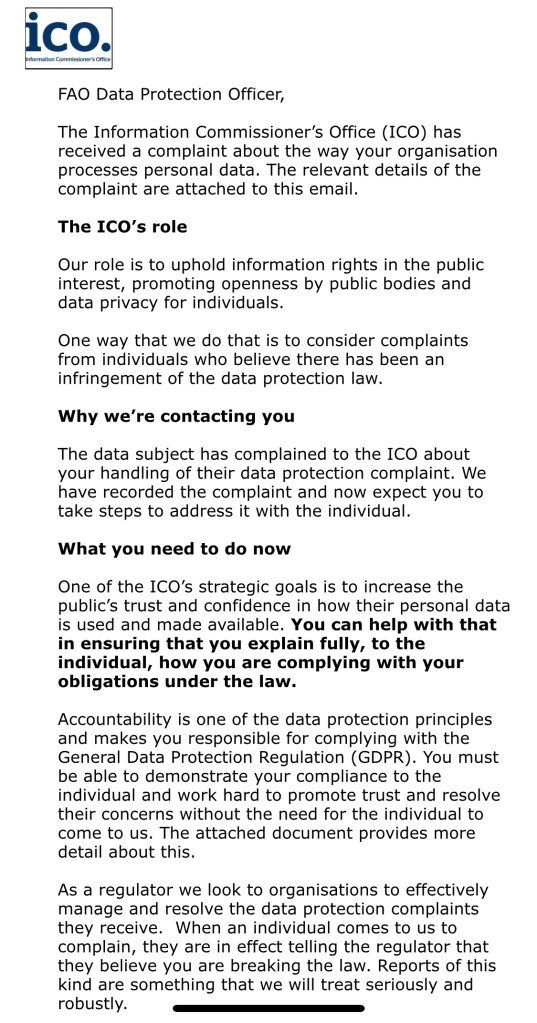
Organisations that infringe the law on data access issues are now routinely in receipt of this standard form letter the first page of which appears below:
Easier than enforcing the law: ICO states the bleeding obvious to data controllers breaching the law.
The “seriously and robustly” in the above extract doesn’t apply to any actions ICO have taken in my experience of the organisation. Even in the face of large scale data breaches for which ample evidence of a data subject’s Section 173 rights being infringed exists ICO still takes the lethargic approaches mentioned above.
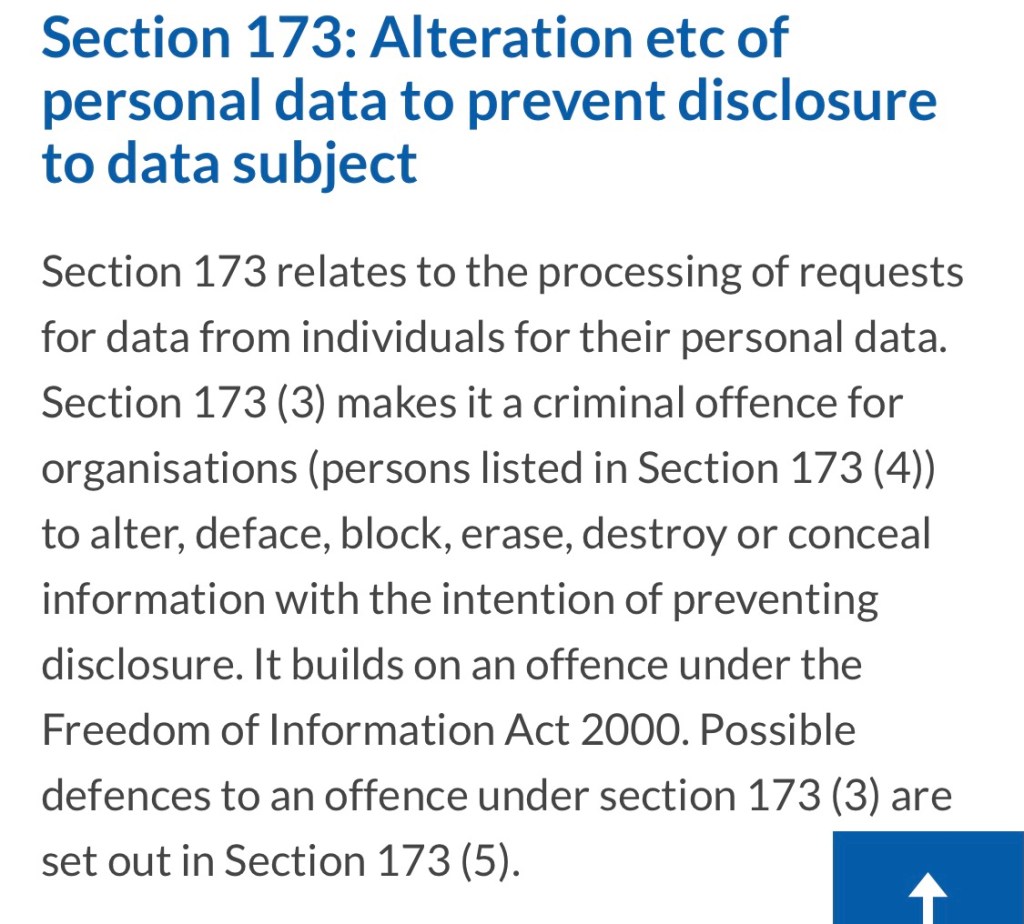
Briefly yours and my Section 173 rights are this:
Extract from CPS website.
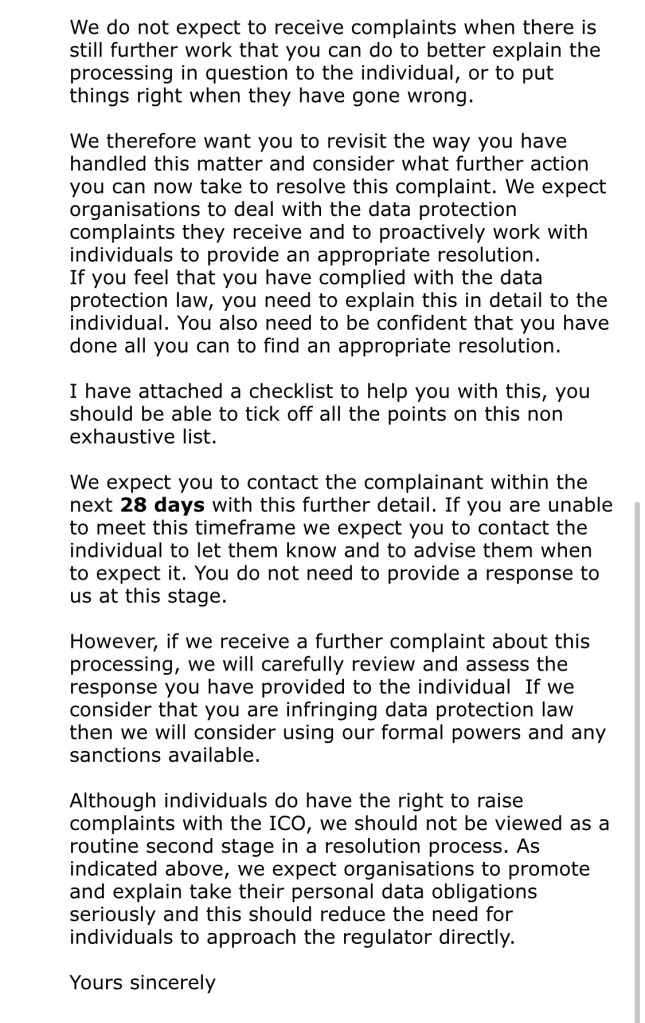
The letter sent out by ICO continues:
…all of which explains the obligations on an organisation that they are already / should already be aware of.
One wonders what the point is of informing an organisation that’s already purposefully screwed up such as a subject access request what their obligations are. If the body is determined to withhold data for the purpose of – for example – preventing revelation of their own misconduct then a weakly worded letter from ICO will not make them correct their ways.
Misconducting organisations must be quaking in their boots regarding the powers and sanctions bit in the second to last paragraph, knowing ICO is notoriously weak on enforcement.
Thus the Merry-Go-Round of the UK’s weak regulatory and enforcement structure rumbles on.
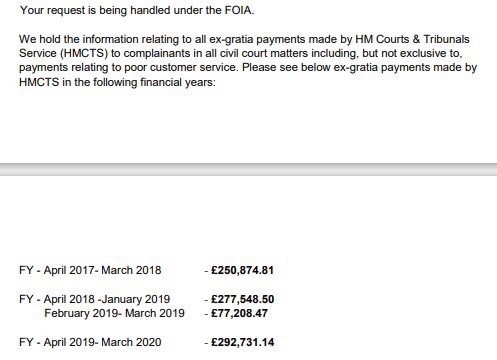
A Freedom of Information Act request to The Ministry of Justice produced the following data.
Payments made for poor service from HMCTS increasing year on year.
The data largely speaks for itself. Payments made to court users for poor service increase year on year as HMCTS falls apart.
Poor customer service by HMCTS is costing at least £292k per year in payments made to disgruntled court users. This is of course not counting the time taken to correct errors they have made which also counts as a loss to the public purse and creates delay overall in the system.
Most importantly if you’ve been in receipt of poor service from a court make sure you complain. And don’t be fobbed off: they’re experts at dissembling and denying. Of course at every stage also request to be compensated. It’s only when the budget for payment of compensation exceeds what The Ministry of Justice is prepared to pay out that service standards will improve.
Humberside Police are one of those forces that you wonder how they get away with it.
Largely hidden away from the rest of the country on the edges of East Yorkshire they have a reputation every bit as unwholesome as other local forces.
One reason they do seem to get away with it is both geographical distance from the rest of the UK and of course lack of proper oversight. Their perennially ineffective Police and Crime Commissioner Keith Hunter recently showed the level of consideration he has for the local pubic by manhandling a visitor asking perfectly reasonable questions out of his office. As a former officer himself old habits die hard.
The PCC’s behaviour is of course equal to the contempt for the public shown by the force itself in such matters as inadequate custody suites which – on the basis of the last inspection reports I read – were shockingly poor, particularly in regards to the welfare of young people held in custody.
But while holding the public largely in contempt officers can expect lavish prize ceremonies at The Humber Bridge Country Park Hotel, a venue synonymous with chicken in a basket style meals and budget wedding ceremonies. These police awards stem from the days the force were in a Chief Constable-less mess which almost ended up with them being put into special measures. Handing out cut glass awards helped to boost the morale of the troops, albeit on a temporary basis. Clearly no gongs were forthcoming from any other source at that time and so the force decided to award gongs to themselves.
The days in which the force almost ended up in special measures still hang heavily over Humberside Police. The epithet “Where we do what we want” has seldom applied more to a UK force in modern times, Met Police excepted. Overall in those days and to a lesser extent now Humberside officers still tend to do what they want.
The consequence to all of this is that quite a number of officers from Humberside Police end up before their Professional Standards Department and such hearings now appear to be increasing in frequency. This suggests an increasing breakdown in internal discipline and operational effectiveness that needs to be addressed urgently.
Of course PSD generally tend to go for the low hanging fruit which means the officers most likely to be prosecuted are PC’s caught slacking off, pulling a sickie or whose face doesn’t appear to fit around the station. Occasionally officers are thrown to the wolves just so PSD can appear to be exercising some form of oversight. The more serious miscreants and offenders further up the slippery ladder are ignored. In the modern police force assistance over cover-ups are rewarded with promotion and rocking the boat by sacking someone who knows “where the bodies are buried”, metaphorically speaking of course, has the potential to bring the whole house of cards tumbling down.
So this recent case seen directly below reminded me of a well-publicised matter from a few years back – which is still a shocker – which I will discuss in a short while.
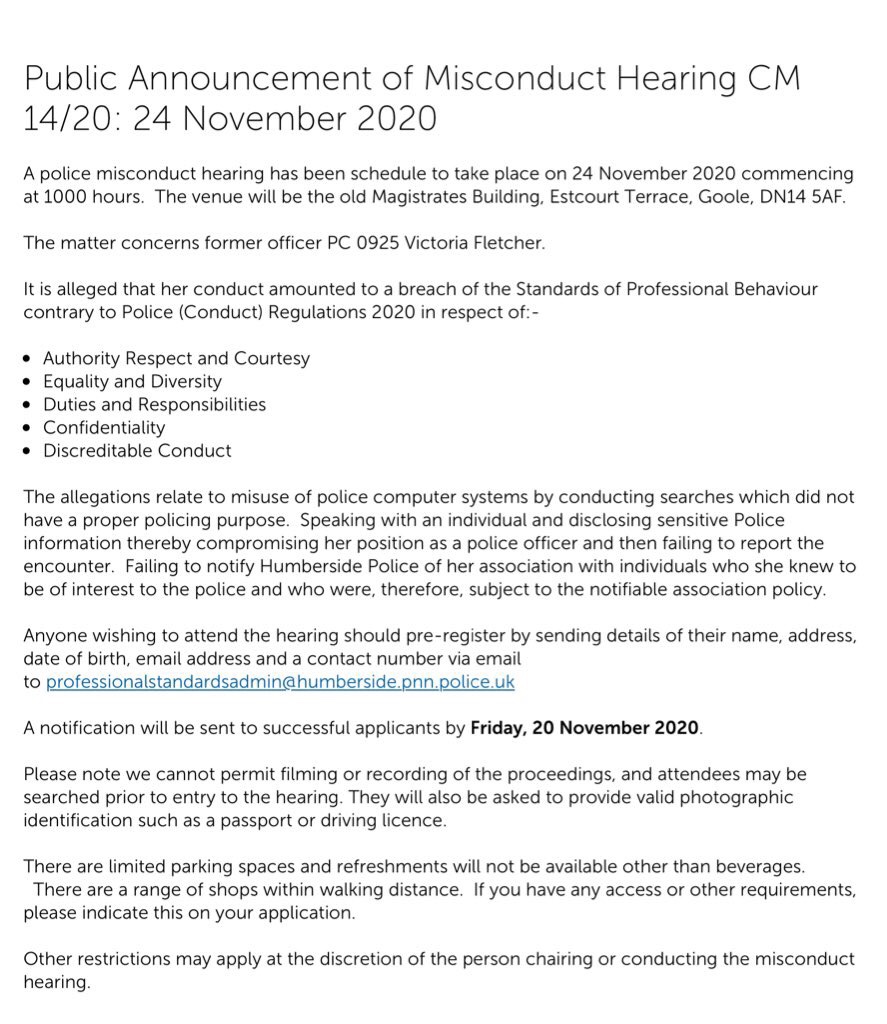
Busted!
As you can see the basic charge is that this PC has been passing confidential police information on to criminals. Guaranteed this data will have been specifically requested by Ronnie and Reggie, will be of considerable use to said criminals and there will have been a payment involved somewhere down the line. That’s the way these things work.
Police databases include something called the PND or Police National Database. This is a huge wealth of half-truth, rumour and suspicion which will have entries on just about any person who has come into contact with the police for any purpose. Unlike the Police National Computer which must be accurate (containing as it does details of convictions, cautions etc.) the PND can contain outright unsupported rumours, slurs and spite.
Do please bear in mind you have no right of access to whatever falsehoods might be stored on the PND about you: although you can make a request for all the data uploaded by an individual force about you to PND. You then have a legal right of correction of the same.
Which brings us back round to Humberside Police.
As we’ve already seen there’s a tendency in the force to dip into and out of police systems for officer’s own benefit. Any access to PNC or PND is logged however so anyone doing so is easy to locate. Officers dipping into databases for their own curiosity or benefit tend to forget this.
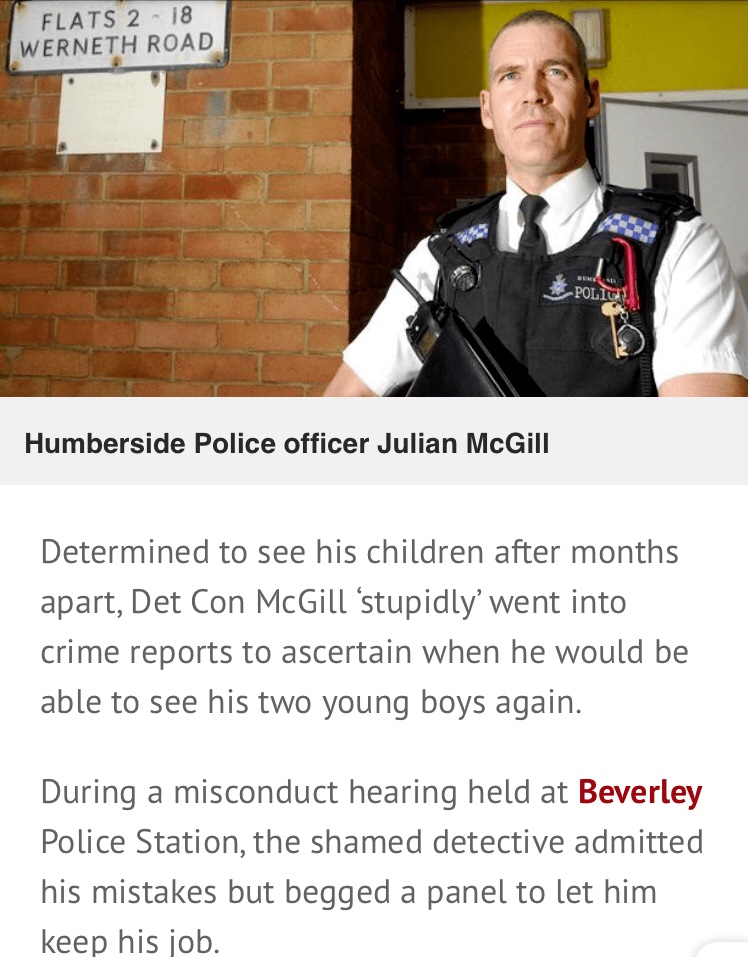
Which brings us to DC Julian McGill.
Busted! Again.
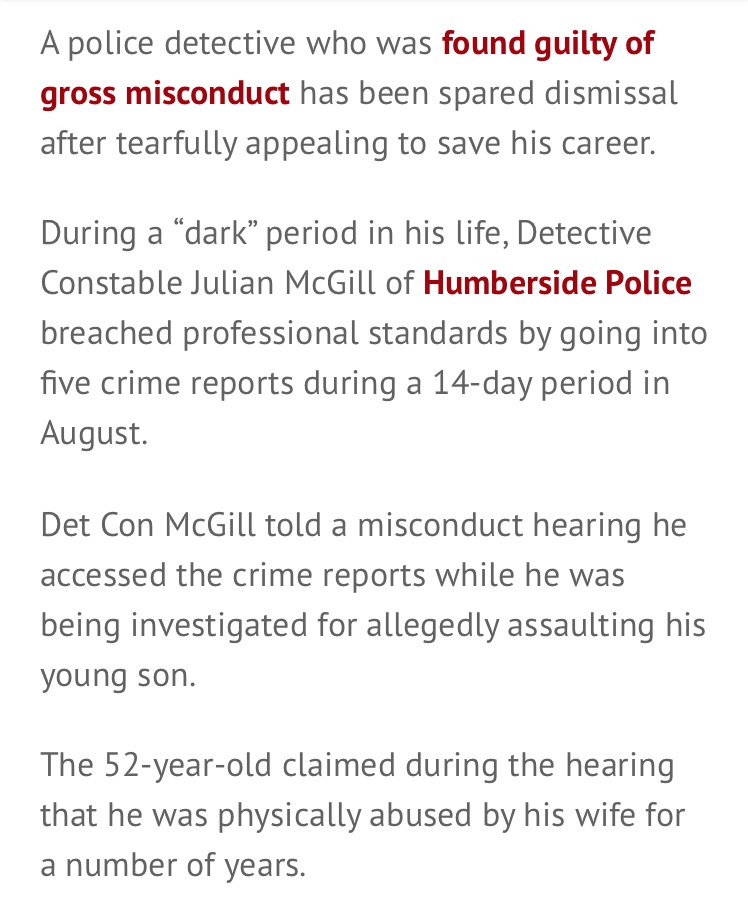
The report above isn’t the full story as there’s been several instances of computer misuse from this officer over the years. This resulted in a final written warning and the hearing described below in which his career was on the line:
Believable? You decide!
McGill at the time was serving as part of the local Police Federation. A fact that will have of course been unlikely to influence the position of the misconduct panel in any way! Generally gross misconduct results in only one outcome and since the offending act was admitted (he could hardly deny it given his access was logged) the decision of the panel was very much at odds with the seriousness of the offence.
However this all ties into my original premise that Humberside Police – situated away from prying eyes – seek to do what they like. Accessing police databases for their own use is simply one part of this and the brushing aside of an instance of gross misconduct is a further example.
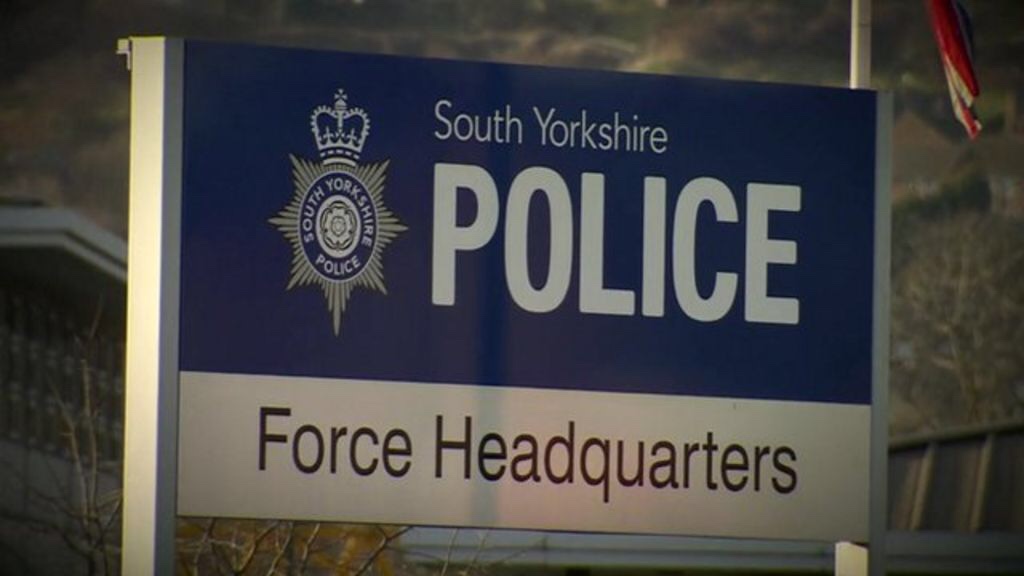
In modern police parlance “cuffing off” a job means to look for a way to avoid dealing with a complaint about a crime made by a member of the public. Shonking means the same thing. South Yorkshire Police is very much focused on internal award ceremonies for its staff and members of the public calling to report criminal offences gets in the way of this. Most inconvenient.
So here’s the story. I had an offence to report on the basis of information that came my way. Having researched the offence and charging guidelines for the same as well as collated sufficient documents to show who was responsible and how I completed the South Yorkshire Police online form. This is their preferred way of contacting you. And so I waited for contact back. And waited. And waited.
Eventually a series of phone calls were made on one afternoon to South Yorkshire Police via 101. The poor handling of the initial report from the webform data and subsequent poor handling of all subsequent contacts are described below.
Basically the webform was ignored. Phone calls to check on the progress of the report of a crime were also consistently mishandled.
From the 1980’s to the present day SYP is mired in scandal.
The basic issues are as follows:
1. A complaint of a crime was made. This was done via the online form for such. That the response from the online form took longer than the 72 hours the website states for any action to be taken in respect of the referral of a crime.
2. That the online form had still not been processed some 7 days later.
This amount to the first effort to “shonk” the job.
3. That from comments made by Professional Standards Dept. at SYP in a later email to me it would appear that this online referral has been “lost”.
4. Following the lack of response to the webform a series of phone calls were made by me on the Tuesday and Wednesday to SYP to establish what was happening in relation to the online referral.
5. That these calls were either cut off when transferred to the appropriate department or else rang out for an exceptionally long period. The time it took to get through to someone was the time of my journey that day from West Yorkshire to Bridlington on the East Yorkshire coast. Some one hour and fifteen minutes.
6. That on eventually speaking to an officer he stated that he had no copy of the online form in front of him but proceeded to dismiss the referral of a crime being committed on the basis that this incident was not a crime and therefore not something that police would deal with.
This is incorrect. I quoted CPS guidance and sentencing guidelines that clearly show the activity reported was a criminal offence.
Most police officers have a very poor working knowledge of the law and are often the worst people to decide if an offence falls into their jurisdiction or not. Or if an offence has been committed in law. Without sight of evidence etc. the officer was additionally on very shaky ground.
7. That the same officer rang me back several minutes later. He had performed a search on my name after our initial conversation and my refuting his comments that the matter complained of was not an offence in law.
8. That his call back to me amounted to harassment and intimidation. His manner during this second call was offensive, uncivil and harassing. Having tried to “cuff / shonk the job off” only to be confronted by a member of the public who knew the law put his fragile and delicate nose out of joint.
Most police officers have exceptionally fragile egos and cannot bear not to have the last word on something. As sites such as the exceptional. ://crimebodge.com show (especially I would recommend their YouTube channel) this can often lead to violence and assault from the officer if a member of the public stands their ground.
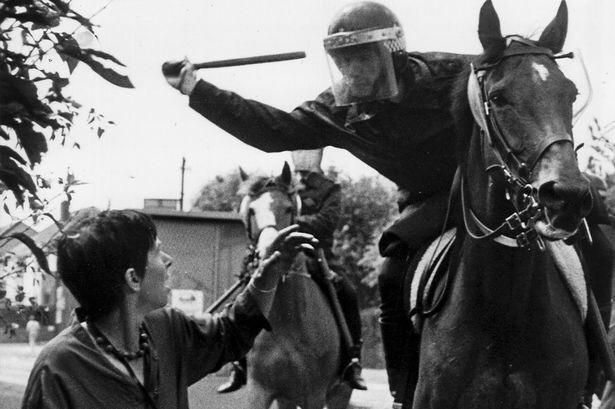
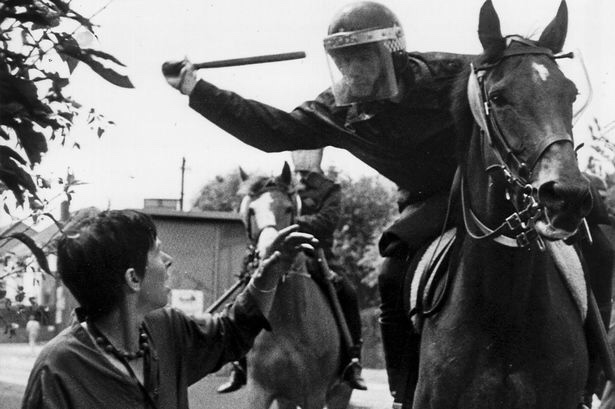
9. That the officer concerned did this solely for the purpose of causing harassment, vexation and distress. On the second call he refused to give his name or service number when asked which is usually indicative of an officer misconducting himself. South Yorkshire Police have plenty of form for this. Ask the miners who were at The Battle of Orgreave: SYP removed their epaulets displaying service numbers so they couldn’t be subject of individual complaints.
South Yorkshire Police are internationally famous for violence and criminal negligence.
That overall the standard of conduct in relation to this matter was sufficient to cause loss of professional reputation, such as it is, for the force. Overall the behaviour described above gave the impression of South Yorkshire Police as being inept, incompetent and evasive.
Later that day is I rang again. This time to make a formal complaint. The College of Policing Code of Ethics has a series of guidelines which had each been breached in the police’s handling of this matter. Not least of these are those related to courtesy and respect. https://www.college.police.uk/What-we-do/Ethics/Documents/Code_of_Ethics.pdf
I was told I would be called back in a few days. However again there was no response.
This matter relates to the following issues in the College of Policing Code of Ethics:
1. Authority, respect and courtesy.
2. Duties and responsibilities.
3. Conduct.
I emailed Professional Standards Department at South Yorkshire Police a few weeks later. The response was initially in terms of my complaint call of a few weeks earlier and stated:
Unfortunately, we are unsure as to who the officer was who spoke with you…
This suggests that the admin systems at South Yorkshire Police are not robust enough or else that they’ve already tried to evade examination of the complaint in the same way as they avoided examination of the original report of a crime. The comment is also vague: do they mean the misconducting officer I spoke to at around around lunchtime or the one spoken to to enter the complaint at 18:30 on the same day?
But it gets worse:
In relation to the online complaint form this does not a appear to have been received by us.
So an additional copy was attached to the response. Neither the original web form reporting a criminal offence nor the complaint form sent by email were received by the force. How many others have been similarly missed by them?
By this point some three weeks had elapsed since this complaint form was sent in to Professional Standards Department and their sobriquet was looking further and further misapplied. The South Yorkshire Police webform auto-generates a copy of the complaint for the public so it is unlikely that a copy was not sent to PSD. The comments they made about not receiving a copy are likely bunkum.
They stated:
If you would like to reply to this email with your initial complaint, we will pass it for assessment and ask our assessors to look into it asap.
So this created a further issue to the complaint: that failure to record the initial complaint call made around 18.30hrs in the evening to SYP via 101 amounts to a further breach of duty. A copy of this call will have been recorded on the Airwave system, which records all incoming and outgoing calls from police stations.
The failure to properly action the issues raised by phone in the evening call amounts to an effort to evade dealing with the complaint from an early stage. The “loss” of the follow up complaint form to PSD is a further effort in this direction.
Matters have now been before Professional Standards Department at South Yorkshire Police for two months without visible progress.
The whole fiasco makes SYP look doubly incompetent in their behaviour in failing to action the original webform, then “cuffing off” the job on the phone.
Then they fail to record and action the complaint made from 18:30hrs on the same day and further claim a follow up communication on the complaint was “lost”.
Heaven help people who actually live in South Yorkshire when it comes to reporting crime or making a complaint to SYP. Because the force’s systems are clearly set up to avoid having to deal with either.
A superb example of how the civil courts in the UK operate.
Laurel & Hardy-ish levels of incompetence from staff at Leeds Combined Court.
A hearing was set for last week and the appropriate Notice of Hearing was sent out for that case.
However what the merry pranksters at civil section failed to point out was that there were two other pending civil cases to be heard by the same High Court Judge at the same hearing on the same day.
No Notice of Hearing document was sent out in relation to these other two cases. Equally no Order in relation to them was made ahead of the hearing. In short no notification of these two other claims being in play that day at all.
Therefore there could be no case preparation for these other two claims as I was blithely unaware that these were due to go ahead in the same hearing as a claim that I was notified about.
This is pretty much par for the course with HMCTS these days: an organisation in which the right hand doesn’t know what the left hand is doing.
The consequence of this overall for court users is delay, confusion and ultimately injustice.
The consequence for your poor bloody correspondent is of course more time, effort and expense spent correcting the errors made by court staff.
Twist ending to the tale: an application in respect of this matter was sent to the court just a few moments ago with an inquiry as to what the fee would be to file this. The answer was returned almost immediately.
However a complaint about the poor standard of service in the failure to notify me of two cases to be heard hasn’t been answered at all.
Conclusion: HMCTS is more interested in taking your money to correct service level errors they’ve made than they are in responding to legitimate and justified complaints.
Presently the East Yorkshire city of Kingston Upon Hull has the highest COVID-19 rates of infection in the UK. The virus appears to be running rampant in the city causing a significant numbers of deaths.
The Guardian has quoted local Hull resident Gavin Storey in an article published this week. The original article can be found at:
It states that Storey thinks it suits the ruling class have let the virus run riot through deprived communities like his. He says:
“It seems like they are trying to get rid of us. That way when it’s over they won’t have to spend so much money around here. Let the kids go to school, spread it to their parents and then let them all die. Most of the people in the country who are on benefits will be dead.”
Twitter users react to Mr. Storey’s comments in the article.
This all got me thinking about the initial wave of the pandemic to hit the UK in spring 2020.
According to information passed over to me in a conversation in spring 2020 from one of Leeds’ top criminal defence solicitors West Yorkshire Police were arresting and pulling suspects in for questioning with an urgency and speed which was quite at odds with the nature of a lethal pandemic and the requirement for people to self isolate.
Those arrested were not given masks and at that point before the end of the first lockdown self-sourced PPE was not commonly owned like today. The overall idea at that point was to protect by keeping your distance from others which makes the arrests carried out seem even more bizarre. Command Teams must have been aware of the risk of police stations as focal points for the spread of the virus. Frontline officers were of course given PPE but of dubious effectiveness which had been sold to the force, desperate to be seen to protect officers, as a “job lot”.
This is also unusual behaviour for a force which remains in financial dire straights considering the potential costs of increasing the pace in ongoing investigations.
Indeed I was told that at that time even people who had been released under investigation for a long period and who had no notification of progress on potential charges were being re-arrested and brought in for interview.
UK police tend to be toxic at the best of times.
In the same way as Mr. Storey thinks schools are being used to spread COVID-19 in deprived communities the sudden urge of West Yorkshire Police to pull in suspects for interview in the initial wave of a lethal pandemic seems… unsettling.
Were these actions part of a deliberate policy to assist the virus to spread in deprived communities?
Is this too outlandish an idea? Then consider also that in spring 2020 the elderly and frail were discharged from hospitals into care homes without adequate screening to ensure they were not infecting others.
The initial Government policy on the virus was to let it run through the population. This was the planning in the early stages of the UK’s response until SAGE, the Government’s scientific advisory group, suggested this strategy would lead to potential UK deaths of up to 250,000. This initial discredited strategy meant excess deaths through the initial lockdown coming too late. It is known that former Government advisor Dominic Cummings is a eugenicist who employed another advisor for a short period in February 2020 before that person’s past writings in eugenics were made public leading to their dismissal.
In every one of multiple other respects the UK’s response to the pandemic was lethargically slow and inept. This situation continues to this day.
The idea then that there has been purpose in the UK’s handling of COVID-19 has some merit. That the initial plan to allow the virus to rip through the population is still in play but not stated openly as a matter of State policy.
It is likely then that people with either criminal records or suspected of committing a criminal offence have been considered in the same light as the fail and elderly: a potential burden to society and something best gotten rid of. That the virus provides (to the State) a convenient ability to do just this.
I know of one clear instance of West Yorkshire Police officers attending at a suspect’s home without masks or PPE in May despite being aware of a vulnerable person being present at the home. Breaking subject access request laws the Right of Access Department at West Yorkshire Police have failed to release body worn video footage of this incident showing officers attending without PPE.
The theory that West Yorkshire Police were actively pulling in suspects in an attempt to spread Coronavirus around is just a theory.
But it’s a theory that does seem to fit into the overall approach of the authorities towards the virus from the inept Test and Trace system to Eat Out to Help Out. All of these have assisted the virus to move through the poorer sections of the population to the point where we’ve ow reached the second point of national lockdown within one year.
In South Korea there have so far been less than 600 deaths from COVID-19. Britain has (at a low estimate) 60,000 to date.









 Legal Babble