Two blog entries on two separate days about how HMCTS deals with services users money.
Tomorrow is the more complex blog entry which deals with some of the underhand ways civil courts like to part you from your cash. Stay tuned!
Today is a simpler tale of how awkward they are when you try to get it back.
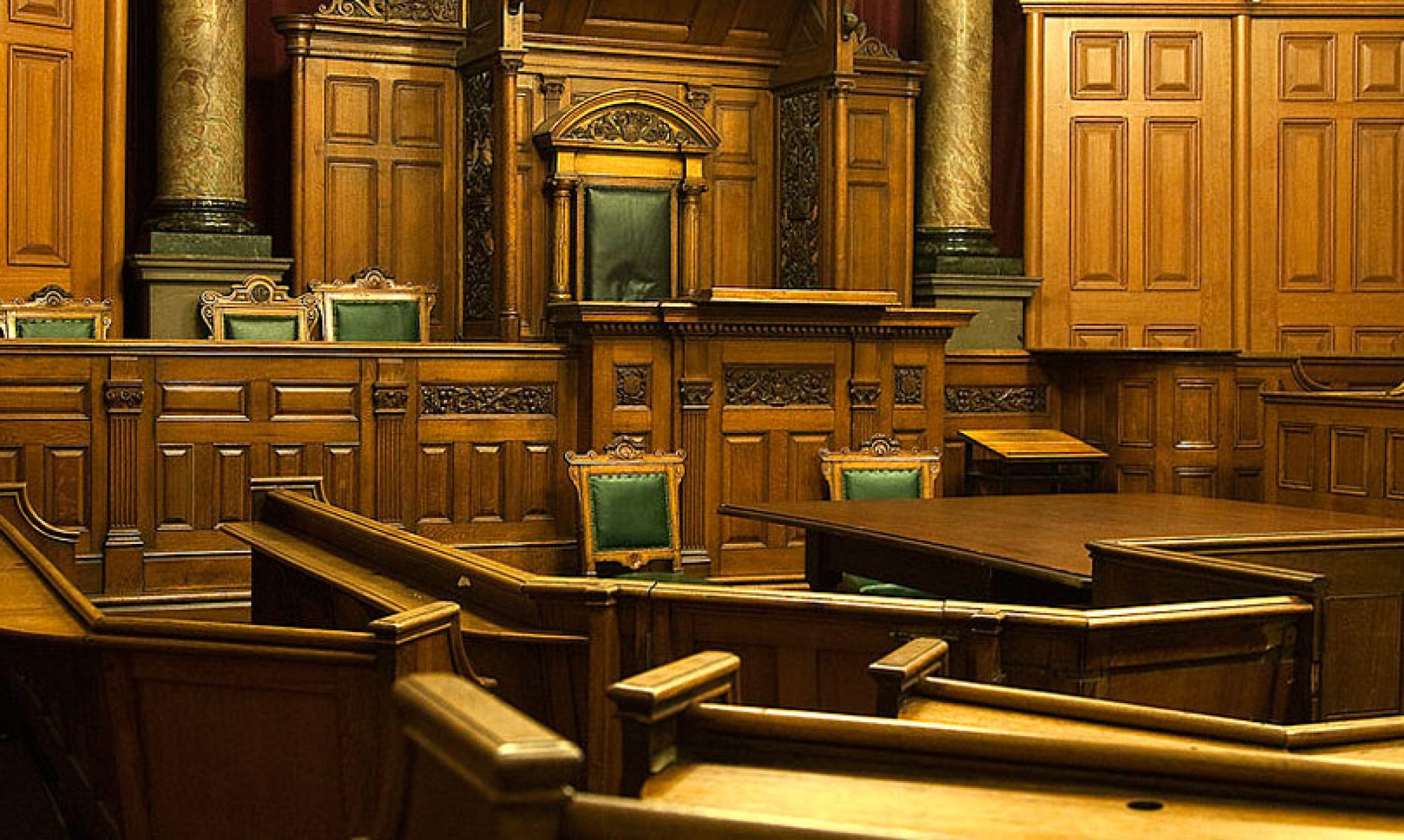
An artists impression of the inside of the Fees Office at The Royal Courts of Justice.
In April this year a fee was paid to Queen’s Bench Division at The Royal Courts of Justice.
Due to the pandemic QBD was largely out of action for some time, or at least the office to deal with the application was.
By July it was clear that the grounds and reasons for making the application had passed. The time which had gone without any staff present to man the appropriate office at QBD rendered the application pointless.
So the fees were requested to be returned.
“No problem!”, say QBD.
And the appropriate notification was supposed to have been sent to Fees Office. Lead time on return was reckoned to be six weeks maximum.
Four months later I’m still waiting.
Not that the fee paid was large or exorbitant. Which makes the continued retention of it even more baffling.
But what really boils my blood is that of several emails sent to both QBD and Fees Office at RCJ can you guess how many have received a response?
Go on! Have a wild guess!
That’s right. None. Over a period of some four months now Fees Office & QBD has failed totally to respond to several emails chasing this matter.
This is of course very HMCTS.
Nor have emails to The Court Manager at QBD about the lack of response received a reply. This is even more HMCTS!
Just today an email response to a separate matter has been issued by HMCTS. That took a blindingly quick two months without any explanation of why so much time had elapsed.
In separate proceedings last week the DJ complained that the case file was in very poor condition. A prior hearing in the same matter had to be abandoned on the basis that the file had been lost.
All of the above and the general woeful experiences to be had with HMCTS suggest the organisation – visibly tottering for some time – is now actually on the verge of collapsing or has actually done so. Staff largely unable to cope pre-COVID-19 appear now to be hopelessly overwhelmed by the day to day administration of cases.
Customer Relations at HMCTS dealing with another complaint with customary sensitivity and respect.
In Doncaster in early January 2020 a child died. His name was Keigan O’Brien.
Doncaster overall has an appalling reputation as a place in which children can grow up safely and free from fear of harm. Several incidents in recent years have put the city’s child protection measures into the national spotlight. At one point the relevant responsibilities would have rested with the local authority.
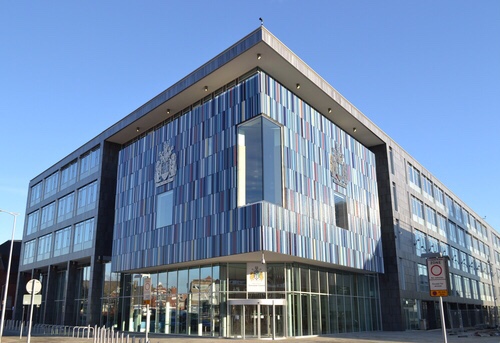
Doncaster Council offices, Waterdale
However Doncaster Children’s Services Trust (DCST) is an offshoot organisation set up by Doncaster Council. This follows a series of disastrous child protection failures from Doncaster Council (itself a noticeably underperforming local authority) and the establishment of DCST was clearly to place some element of distance between the Council and child protection services in the city. A useful tactic for the senior organisation avoiding blame and bad publicity. But the service provided by DCST is still the same appallingly poor standard as when matters were under the Council’s jurisdiction.
Tellingly the most recent OFSTED reports that DSCT show on their own site end in 2018.
The head of DCST is Jim Foy, the improbably titled LADO or Local Authority Designated Officer. The title is of course a hangover from the days when the service was an in-house Council run operation.
On the occasions this correspondent has encountered him Jim Foy seems a man hopelessly disengaged with the job he has to do and the overall impression is of a man who is the cause of chaos in his employment which others run then around correcting. This is bad enough in any post but in one with the responsibilities of LADO the consequences of failure are catastrophic to service users, their families and the local community.
And so it proved when Jim Foy – in the course of his duties – recorded data on a person who had engaged in a new relationship with a clerical support worker in a Doncaster area school. Not only did he record the data wrongly but he also recorded a matter which was not an offence in British criminal law. He failed to spot either of these errors. He then used this incorrect data to confront the clerical support worker and used it to try to force her out of her employment. When later faced with clear evidence that he had recorded the data incorrectly Jim Foy refused to amend or correct the error. Instead only after matters were investigated by the UK’s data regulator, The Information Commissioner’s Office, which found against DCST was the data reluctantly corrected.
The DPA 1998 states at 10(1) that a data controller is required to cease processing of personal data on ground that process of that data likely to cause damage / distress and is unwarranted.
Principal 4 also states that data held on an individual should be both accurate and kept up to date.
The error caused by DCST is twofold then: the recording of incorrect data in the first instance and the failure to correct it in the second. It is assumed that Jim Foy is sufficiently aware of these regulations and how they impact on his responsibilities although the persistent failure to correct the error when notified suggests otherwise.
In a civil case at Doncaster Civil Justice Centre North this week the defence of DCST to the claim of breach of the relevant legislation was not accepted by the judge who saw through the (admittedly very weak) set of arguments defence barrister presented.
The wider issue in this matter is that if DCST is recording data on people wrongly then how can they hope to build a genuine picture of the potential threats to children in their area? The consistent failure of DCST to protect children in the Doncaster region is evidence of where these kinds of systemic failure leads.
There is a cost to the public purse of this. So far there have been five hearings in this claim settled this week at a figure of around £1,000.00 costs to DCST each time they have sent counsel and instructed solicitor. Conservative estimates therefore put the costs to then local taxpayer of defence of a matter which was doomed to fail in any event (including pre-trial preparation etc) at around £9,000.00. This is over the matter of a simple piece of data recorded wrongly from one telephone call.
Nor is this the worst part of this matter.
In a December 2019 hearing and – presumably desperate to gain some form of hold on the Claimant and tactical advantage in the case via obtaining information on him – Jim Foy overheard a conversation at court in the case which resulted in him making enquiries regarding the Claimant’s children which by any examination breach the Claimant’s Article 8 right to privacy. These enquiries were made not only to the databases that DCST would use as a matter of course but also to local police forces.
Jim Foy was running around gathering this data with questionable legality and no operational remit to do so at the same time Keigan O’Brien was being placed in peril by the actions of his parents.
All this of course could only happen in DCST where actual child protection concerns come second to maintaining underperforming staff in post and ensuring the continuation of the organisation.




 Legal Babble